

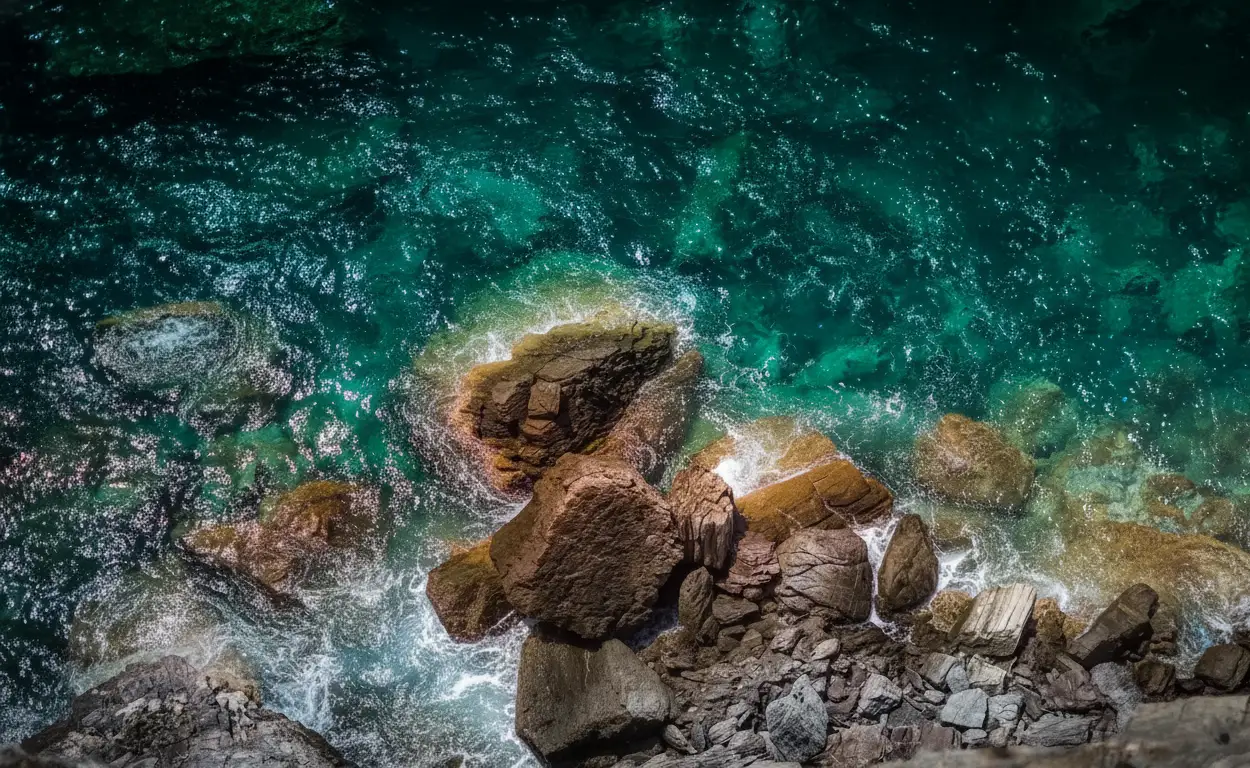
Rocky Beaches of Costa Blanca: Where to Find Beautiful Views, Hidden Coves and the Best Underwater World
Costa Blanca is famous for its endless sandy beaches, but it is the rocky stretches of coastline that reveal a completely different, more dramatic and natural side of the region. Cliffs, steep escarpments, stone platforms, coves with incredibly clear water and a rich underwater world make these places ideal for seekers of beauty, snorkelling enthusiasts, and those who prefer tranquillity over crowded tourist areas. Rocky beaches not only differ in structure, but also create a special atmosphere – here you can truly feel the power of the Mediterranean Sea.
Unlike sandy areas, where the shoreline is shaped by soft waves, rocky beaches are the result of thousands of years of wind, water and geological processes. Their terrain is diverse: from wide stone platforms to small coves hidden between cliffs. The water here is usually much cleaner – the absence of sand particles makes the sea as clear as glass. That is why many diving and snorkelling enthusiasts come to Costa Blanca specifically for its rocky beaches.
This article presents the best rocky beaches in the region: places with breathtaking views, coves with perfect snorkelling conditions, natural geological platforms and secluded corners where you can enjoy peace and quiet. Each beach is accompanied by coordinates to make it easier for readers to plan routes and find these natural gems.
Rocky Beaches of Costa Blanca with the Best Sea and Cliff Views
Costa Blanca offers numerous beaches with incredible panoramas of the sea, cliffs, natural arches and headlands. These beaches are perfect for photography, walks, sunset watching and peaceful relaxation surrounded by nature.
Cala Racó del Conill: a secluded rocky beach with panoramic views in Villajoyosa
Google Maps: view on map
Cala Racó del Conill is a small secluded rocky cove between Villajoyosa and Benidorm on the Costa Blanca (province of Alicante, Spain). It is a natural spot without urban development, surrounded by cliffs, which helps preserve a sense of privacy and calm even in high season.
The beach consists of pebbles and rocky areas, and the entry into the water is also rocky, so water shoes are recommended. Infrastructure is minimal, which makes the cove less suitable for long family stays but attractive for those seeking peace and a natural environment.
The water in Cala Racó del Conill is usually clear, and the seabed is rocky, creating good conditions for snorkelling in calm sea conditions. Visitors can observe typical Mediterranean marine life characteristic of rocky coastal zones.
The cove is suitable for those who value seclusion, natural scenery and quiet swimming away from mass tourism. However, due to the rocks and lack of facilities, it is more oriented towards adults and experienced swimmers rather than family recreation with children.
Cala del Moraig: a picturesque cove with turquoise water in Benitachell
Google Maps: view on map
Cala del Moraig is one of the most famous and picturesque coves of Costa Blanca, located at the foot of the cliffs of the municipality of El Poble Nou de Benitatxell between Jávea and Moraira. The site is known for its intense turquoise water and dramatic rocky landscape.
The beach is pebbly and rocky, with a relatively rapid depth increase. Entry into the water can be difficult due to large stones, so special footwear is recommended. During high season, access is regulated due to limited parking availability, which helps partially preserve the natural environment.

Cala del Moraig is also popular among snorkelling and diving enthusiasts due to its clear water and underwater rock formations. One of its main natural attractions is Cova dels Arcs – a sea cave with an opening to the sea that forms a unique geological landscape.
The cove is suitable for travellers seeking striking natural scenery and active water recreation. However, it is less comfortable for families with small children due to the rocky entry and depth, although it is considered one of the most photogenic locations in the region.
Cala Granadella: rocky areas and one of the most beautiful beaches in Jávea
Google Maps: view on map
Cala Granadella is a small picturesque cove in the south of the municipality of Jávea (Xàbia), which is regularly included in lists of the most beautiful beaches in Spain. It is located in a natural area surrounded by cliffs and pine forests, creating a classic Mediterranean landscape.
The beach consists of pebbles and rocky sections, and the water deepens quite quickly. During high season, access is restricted due to high popularity and limited parking space, and traffic control measures and shuttle services are often introduced.
The water in Cala Granadella is highly transparent, making the cove popular for snorkelling and kayaking. Rocky areas along the edges of the cove create underwater zones rich in marine life, and calm morning sea conditions provide excellent visibility for swimming with a mask.
Cala Granadella is suitable for travellers who value natural scenery, active leisure and photogenic landscapes. However, due to its popularity, it can become crowded in summer, so the most comfortable time to visit is early in the morning or outside peak months.
Coves of Costa Blanca with Crystal Clear Water for Snorkelling
The rocky beaches of Costa Blanca are known for their exceptionally clear water compared to sandy beaches. This is due to the absence of sand particles that are stirred up by waves. As a result, the seabed is visible to several metres deep, and the underwater world is vibrant and diverse. Below are the best coves where you can fully immerse yourself in this underwater beauty.
Cala Ambolo in Jávea (Alicante, Costa Blanca): a wild cove with crystal clear water for snorkelling and swimming
Google Maps: view on map
Cala Ambolo is one of the wildest and most inaccessible coves in the Jávea area on the Costa Blanca. It is located at the foot of high cliffs and is considered part of a natural coastal landscape with minimal human intervention. The site is valued for its secluded atmosphere and open views of the Mediterranean Sea.
The shoreline is rocky, with steep terrain and a rapid depth increase. It should be noted that access to the cove may be restricted or closed at times for safety reasons due to the risk of rockfalls. Therefore, visiting requires caution and checking the current access status in advance.

The water in Cala Ambolo is highly transparent, and the underwater terrain features rocks and natural shelters for marine fauna. This makes the cove popular among experienced snorkellers, especially in calm sea conditions with good visibility.
Cala Ambolo is primarily suitable for experienced travellers seeking natural, uncrowded locations. Due to difficult access and lack of infrastructure, it is not recommended for families with children or unprepared visitors, but it remains one of the most atmospheric wild coves in the region.
Cala Blanca in Jávea (Alicante, Costa Blanca): rocky platforms and ideal conditions for snorkelling and swimming with a mask
Google Maps: view on map
Cala Blanca is a small rocky cove in the Jávea area, known for its natural stone platforms and calm atmosphere. It is one of the more accessible and convenient rocky locations on the Costa Blanca coast, popular among both locals and tourists.
The shoreline consists of light limestone slabs and stone terraces that form natural platforms for entering the water. This makes sea access significantly easier than in wild rocky coves, although water shoes are still recommended due to uneven surfaces.
The water in Cala Blanca is usually clear, and the underwater terrain includes rocky areas and small shelters for marine life. This creates good conditions for snorkelling, especially in calm weather when underwater visibility is at its best.
Cala Blanca is suitable for a more relaxed and safe experience by the water, including mask swimming enthusiasts and beginner snorkellers. It is one of the few rocky spots in Jávea where accessibility and natural surroundings combine to offer relatively comfortable conditions.
Cala Baladrar: a quiet cove with clear water in Benissa
Google Maps: view on map
Cala Baladrar is a small rocky cove on the coast of the municipality of Benissa, between Moraira and Calpe. It is a peaceful location on the Costa Blanca, valued for its clean water and calmer atmosphere compared to the region’s larger beaches.
The shoreline is mostly rocky with sections of pebbles and stone slabs. Entry into the water is from the rocks, so swimming shoes are recommended. Despite its natural character, access is relatively convenient, with parking areas nearby.
The water in Cala Baladrar is usually clear, especially in the morning and during calm sea conditions. Thanks to its rocky seabed and underwater structures, the cove is suitable for snorkelling, although it offers less marine diversity compared to larger natural areas in the region.
Cala Baladrar is suitable for peaceful relaxation, swimming and short stops by the sea. It is not an isolated wild cove, but neither is it a crowded tourist beach, making it a balanced option for those seeking quiet natural spots on the Benissa coastline.
Hidden Coves and Lesser-Known Rocky Beaches of Costa Blanca
Costa Blanca is known not only for its popular beaches, but also for dozens of hidden rocky coves located between cliffs, natural reserves and hard-to-reach coastal sections. Places such as Cala Barranc d’Aigües, Cala de la Solsida or Cala dels Testos preserve a wilder character and minimal infrastructure, making them attractive for those seeking seclusion and natural scenery.
Most of these coves require walking down trails or are located far from main roads, making them less visited compared to major beaches in the region. This inaccessibility ensures cleaner water, a calmer atmosphere and a better-preserved natural environment, including rocky reefs and Mediterranean marine ecosystems.
Cala dels Testos is one of the most isolated and wild coves on the Costa Blanca coastline, located at the foot of cliffs in the municipality of El Poble Nou de Benitatxell, near Cala del Moraig. The site retains a completely natural character and has virtually no tourist infrastructure.
Access to the cove is challenging and requires physical fitness: part of the route runs along narrow paths, rocky descents and sections where ropes are needed. Because of this, Cala dels Testos is considered one of the most difficult-to-reach coves in the region, especially compared to more popular beaches on the Costa Blanca.

The shoreline is rocky, with large boulders and a rapid depth increase. The water is usually very clean due to the lack of mass tourism, although conditions can vary depending on sea state, so caution and proper footwear are necessary.
Cala dels Testos is suitable only for experienced travellers seeking secluded natural locations and prepared for a demanding descent. It is not a beach for families or long stays, but rather a wild natural spot with limited yet highly atmospheric access to the sea.
Cala de la Solsida: a quiet cove without tourist crowds in Altea
Google Maps: view on map
Cala de la Solsida is a small and little-visited rocky cove located in the Altea area on the Costa Blanca. It is characterised by a peaceful atmosphere and the absence of mass tourism, making it attractive for those seeking secluded natural seaside locations.
The shoreline is rocky, with sections of pebbles and stone slabs. Entry into the water can be uneven, so caution and appropriate footwear are recommended. Infrastructure is almost non-existent, preserving the natural character of the cove but requiring self-preparation before visiting.
The water in Cala de la Solsida is usually clear, and the underwater terrain consists of rocks and small natural shelters for marine life. This creates basic conditions for calm swimming and observing underwater life in favourable weather conditions.
Cala de la Solsida is suitable for short seaside breaks away from tourist routes. It is not an equipped beach, but rather a natural point on the coastline valued for its tranquillity and minimal visitor numbers.
Cala Barranc d’Aigües in El Campello (Alicante, Costa Blanca): a quiet wild cove for relaxation away from tourists
Google Maps: view on map
Cala Barranc d’Aigües is a secluded rocky cove located in the El Campello area on the Costa Blanca coastline. This natural spot lies within a zone of coastal cliffs and is characterised by the absence of urban development and tourist infrastructure, preserving its truly wild character.
Access to the cove is via walking trails with elevation changes, which means the route can be physically demanding. As a result, Cala Barranc d’Aigües remains little visited even during the high season, making it attractive for those seeking secluded and peaceful natural surroundings.
The shoreline is rocky, with uneven cliff formations and natural stone platforms. The water is usually clean, although conditions depend on sea state. Swimming is only advisable in calm weather and requires caution when entering the water.
Cala Barranc d’Aigües is suitable for those looking for natural, uncrowded places away from tourist routes. It is not an equipped beach, but rather a wild coastal area where the main attractions are silence, panoramic views and a sense of untouched nature.
The Best Coves of Costa Blanca with Crystal-Clear Water and Rich Underwater Life
Among all the natural features of Costa Blanca’s rocky beaches, the most remarkable is the exceptionally clear water, which creates ideal conditions for observing marine life. Visibility remains excellent even at significant depths, and the diversity of marine flora and fauna impresses even experienced divers. In these coves, the water moves gently between rocks, creating perfect conditions for snorkelling for both beginners and professionals. Let us continue exploring the best locations where the true beauty of the Mediterranean Sea can be experienced.
Cala del Tío Ximo: a quiet rocky cove near Benidorm
Google Maps: view on map
Cala del Tío Ximo is a small rocky cove located on the northern outskirts of Benidorm, in the Sierra Helada natural area. It is one of the few places near a major resort where a relatively peaceful and natural atmosphere is preserved without dense urban development.
The shoreline is rocky, with sections of pebbles and stone slabs, and access to the water is over natural rocks. Despite its proximity to the city, the cove remains much quieter than the main beaches of Benidorm, especially outside peak hours and high season.

The water in Cala del Tío Ximo is usually clear, and the underwater terrain consists of rocks and rocky formations, creating suitable conditions for snorkelling. In calm sea conditions, visitors can observe typical Mediterranean marine fauna.
The cove is suitable for short seaside breaks, swimming and snorkelling, especially for those seeking a quieter alternative to Benidorm’s main beaches. However, infrastructure is minimal, so visitors should come prepared.
Cala de la Almadrava: a peaceful snorkelling spot on the Benissa coastline
Google Maps: view on map
Cala de la Almadrava is a small rocky cove on the coastline of the municipality of Benissa, between Calpe and Moraira. It is a quiet location with clear water, valued for its peaceful atmosphere and more natural character compared to larger beaches in the region.
The shoreline is predominantly rocky, with sections of pebbles and flat stone platforms. Entry into the water is over rocks, so swimming shoes are recommended. The cove remains relatively uncrowded, especially in the early morning and outside the high season.
The water in Cala de la Almadrava is usually clean, and the underwater terrain consists of rocky structures and small natural shelters. These conditions create good opportunities for snorkelling in calm sea conditions with sufficient visibility.
Cala de la Almadrava is suitable for relaxed seaside recreation, snorkelling and short stops along the Costa Blanca coast. It is not an equipped tourist beach, but a natural cove designed for visitors who appreciate quiet and authentic locations.
Natural Stone Platforms and Geological Landmarks of Costa Blanca
The stone platforms along the Costa Blanca coastline deserve special attention. These are areas where nature has formed wide rocky terraces as a result of millions of years of interaction between water and rock. These platforms are not only visually impressive but also practical: they are ideal for relaxing, sunbathing, enjoying sea views and photography.
Cap Negret: volcanic rocks and a unique black shoreline in Altea
Google Maps: view on map
Cap Negret is a coastal area in the northern part of Altea, known for its dark, almost black pebbled shoreline of volcanic origin. It is one of the most unusual stretches of the Costa Blanca coastline, distinct from the typical light sandy and rocky beaches of the region.
The shore consists of large volcanic pebbles and stones formed by ancient geological processes. The terrain is uneven, so entering the water requires caution and suitable footwear. Despite this, the area is easily accessible and located close to Altea’s urban infrastructure.
The water in Cap Negret is usually clear, and the rocky seabed creates interesting conditions for observing marine life in calm conditions. However, it is not a classic snorkelling beach, but rather a geological coastal zone with a distinctive landscape.
Cap Negret is suitable for walks, photography and peaceful seaside relaxation. It is especially interesting for those who want to experience the geological diversity of Costa Blanca and its volcanic coastal past.
Cala Advocat in Benissa (Alicante, Costa Blanca): a scenic rocky cove with clear water for swimming and snorkelling
Google Maps: view on map
Cala Advocat is a small rocky cove on the coastline of the municipality of Benissa, between Moraira and Calpe. It is a quiet location with a more natural atmosphere, valued for its clean water and lack of heavy tourist crowds compared to nearby beaches.
The shoreline consists of rocks with sections of pebbles and flat stone slabs typical of this part of the Costa Blanca. Entry into the water is over rocks, so swimming shoes are recommended. Access is relatively easy, with nearby parking areas and small coastal facilities.

The water in Cala Advocat is usually clear, especially on calm days. The underwater terrain consists of rocks and rocky formations, providing basic conditions for snorkelling and observing coastal marine life.
Cala Advocat is suitable for relaxed seaside recreation, swimming and short stops while travelling along the Costa Blanca coast. It is neither an isolated wild cove nor a crowded tourist beach, making it a balanced option for a calm visit.
Rocky Beaches of Costa Blanca for Diving and Rich Underwater Life
A rich underwater world is one of the main reasons travellers choose rocky beaches. The water here is always clearer, and the seabed is more diverse. Rocky areas create natural shelters for fish, sea urchins, octopuses and other marine life. Some beaches have become true gems for divers and snorkellers.
Isla de Tabarca, off the coast of Santa Pola: a marine reserve with rich underwater life on the Costa Blanca
Google Maps: view on map
Isla de Tabarca is a small island in the Mediterranean Sea off the coast of Santa Pola, and it is Spain’s first marine reserve. This protected natural area of the Costa Blanca is known for its clean waters, diverse marine fauna and historical heritage.
The island is surrounded by rocky areas and crystal-clear water, creating ideal conditions for snorkelling and diving. Due to its protected status, the marine ecosystem here is significantly richer than along the mainland coast, including fish species, marine vegetation and underwater rock formations.

Isla de Tabarca can only be reached by boat from Santa Pola, Alicante and other coastal towns. There is a small village on the island with basic infrastructure, but its main value lies in its natural marine environment and coastal coves with rocky seabeds.
The island is suitable for day trips, snorkelling and sea excursions. It is one of the most important natural sites on the Costa Blanca, combining a protected marine ecosystem, clear water and the historical atmosphere of an island settlement.
Google Maps: view on map
Cala Piteres is a small rocky cove on the coastline of El Campello, near Alicante. It is a little-visited natural spot located among rocky coastal sections of the Costa Blanca, preserving a wilder and quieter character compared to urban beaches.
The shoreline consists of stones and rock slabs, and entry into the water can be uneven, so swimming shoes are recommended. Access is somewhat limited, which helps maintain its secluded atmosphere even in summer.
The water in Cala Piteres is usually clear, and the underwater terrain features rocky structures typical of this coastal area. These conditions make the cove suitable for snorkelling and recreational diving in calm weather with good visibility.
Cala Piteres is ideal for those seeking quieter, more natural places on the Costa Blanca. It is not an equipped beach but a wild coastal area focused on peaceful swimming and underwater observation away from mass tourism.
Les Rotes: rocky coastline and a snorkelling paradise in Dénia
Google Maps: view on map
Les Rotes is a coastal area in the south of Dénia, part of the Montgó Natural Park. It is one of the most famous rocky stretches of the Costa Blanca, extending along a cliff-lined coast with small coves and natural platforms.
The coastline is mostly rocky, with several accessible entry points into the sea in different coves. This makes Les Rotes one of the best snorkelling areas in the region: the water is usually clear, and the seabed includes rocks, crevices and Posidonia seagrass meadows.
Along the route, there are small coves and sea access points, including areas near restaurants and natural zones closer to Cabo de San Antonio. Some sections are protected due to their high ecological value.
Les Rotes is ideal for coastal walks, snorkelling and relaxed seaside recreation. It is valued for combining accessibility, natural scenery and a rich underwater ecosystem, making it one of the key coastal destinations in Dénia.
Secluded Rocky Coves of Costa Blanca without Tourists
Rocky beaches are often secluded because access is more difficult than to sandy areas. However, this makes them ideal for those seeking peace, silence and a close connection with nature. Below are some of the best secluded coves on the coast.
Cala Portitxol (La Barraca) in Jávea: a wild rocky cove with scenic views and clear water
Google Maps: view on map
Cala Portitxol, also known as La Barraca, is a picturesque cove on the eastern coast of Jávea (Xàbia). It is one of the most photogenic locations on the Costa Blanca, where a rocky shoreline meets turquoise water and traditional white fishermen’s houses.
The shoreline is mainly rocky with pebbled sections, and access to the water is via rocks or small platforms. The cove is surrounded by cliffs and pine vegetation, creating a naturally enclosed and atmospheric location.
The water in Cala Portitxol is usually clear, and the underwater terrain includes rocks and small formations, making it suitable for snorkelling in calm conditions, especially in the morning when visibility is at its best.
Cala Portitxol is suitable for travellers seeking a combination of natural scenery, calm swimming and atmospheric landscapes. Due to its popularity, it can become busy in high season, so early morning or off-peak months are recommended for a more comfortable visit.
Rocky Beaches of Costa Blanca: Safety, Shore Type and Suitability for Recreation
Below is a structured table with a realistic assessment of Costa Blanca coves:
type of rocks, access difficulty, and suitability for snorkelling and family-friendly recreation.
| Location | Area | Shore Type | Features | Suitable for Children | Snorkelling / Diving |
|---|---|---|---|---|---|
| Cala Racó del Conill | Villajoyosa | Mixed, rocky | Secluded cove, slippery rocks | Limited | Yes |
| Cala del Moraig | Benitachell | Sharp rocks | Turquoise water, difficult entry | No | Yes |
| Cala Granadella | Jávea | Mixed | Popular cove, many tourists | Limited | Yes |
| Cala Ambolo | Jávea | Sharp rocks | Wild cove, often closed | No | Yes |
| Cala Blanca | Jávea | Stone platforms | Flat surfaces, easy access | Yes (under supervision) | Yes |
| Cala Baladrar | Benissa | Mixed | Calm water, platforms available | Limited | Yes |
| Cala dels Testos | Benitachell | Very sharp rocks | Difficult descent, wild nature | No | Yes (for experienced users) |
| Cala de la Solsida | Altea | Rocky | Little-known cove, no infrastructure | No | Limited |
| Cala Barranc d’Aigües | El Campello | Wild rocks | Secluded cove, difficult access | No | Limited |
| Cala del Tío Ximo | Benidorm | Mixed | Urban cove, accessible areas | Yes (under supervision) | Yes |
| Cala de la Almadrava | Benissa | Mixed | Calm water, rocks and sand | Yes | Yes |
| Cap Negret | Altea | Volcanic rocks | Not a beach, rocky coastline | No | No |
| Cala Advocat | Benissa | Mixed | Small cove, calm water | Limited | Yes |
| Isla de Tabarca | Alicante / Santa Pola | Rock & sand | Marine reserve | Yes | Yes (best in the region) |
| Cala Piteres | El Campello | Rocky | Wild cove, uneven shore | No | Yes |
| Les Rotes | Dénia | Rocky coastline | Many snorkelling zones | Yes (in calm areas) | Yes |
| Cala Portitxol | Jávea | Mixed | Highly scenic cove | Limited | Yes |
Conclusion: for family-friendly recreation, the safest options are Cala Blanca, Cala Baladrar, Les Rotes and Isla de Tabarca. For experienced visitors and snorkelling enthusiasts, Cala del Moraig, Granadella and Cala Piteres are more suitable.
Tips Before Visiting Rocky Beaches of Costa Blanca
Rocky beaches on the Costa Blanca are known for their natural beauty, clean water and secluded atmosphere, but they require more preparation than sandy beaches. Many coves have rocky access, changing sea conditions and limited infrastructure. Below are practical recommendations based on real conditions along the Alicante coastline.
Rock shoes (water shoes)
Almost all rocky beaches in the region require sturdy footwear for entering the water and moving along the shore. Rocks are often slippery, smooth or sharp, especially in areas with seaweed and wave exposure.
It is recommended to use water shoes with a thick rubber sole. They are especially important in places such as Cala del Moraig, Les Rotes and Cala dels Testos, where access to the sea is over rocks or stone platforms.
Cliff safety
Many scenic coves of Costa Blanca are located at the base of cliffs or within narrow ravines. This makes them visually impressive but requires caution when descending and climbing.
- Avoid standing near cliff edges in windy conditions
- Do not walk on wet rocks, as they can be extremely slippery
- Do not jump into the water without checking depth
- Follow marked trails where available
Extra caution is required in wild coves such as Cala Ambolo and Cala dels Testos, where infrastructure is minimal or absent.
Best time to visit
Rocky beaches are best visited in the morning or during the shoulder season. In the morning, the sea is usually calmer, the water is clearer, and temperatures are more comfortable for walking and snorkelling.
Recommended timing:
- Early morning (08:00–11:00): best underwater visibility and fewer people
- Late afternoon: soft light for photography and less heat
- May–June and September–October: optimal months for weather and crowd levels
In July and August, it is advisable to avoid popular coves during midday due to heat and high visitor numbers.
Access verification
Some rocky coves on the Costa Blanca have restricted or temporarily closed access due to natural risks, rockfall hazards or protected environmental status.
Before visiting, it is important to consider the following:
- Access may change depending on season and trail conditions
- Some locations have no official parking areas
- Certain coves may be closed for safety reasons
For example, access to Cala Ambolo is periodically restricted, while the descent to Cala dels Testos requires physical fitness and caution.
It is recommended to check updated access and weather conditions before travelling, especially when planning visits to wild or hard-to-reach coastal areas.
Rocky Coves of Costa Blanca: Access by Car, Foot or Sea Only
Below is verified practical information about access to Costa Blanca coves. It indicates whether you can reach them by car, whether a hiking descent is required, or whether access is only possible by sea. The information is based on real logistics and current access conditions.
| Location | Car Access | Footpath / Hiking | Sea Access | Comment |
|---|---|---|---|---|
| Cala Racó del Conill (Villajoyosa) | Yes (nearby parking) | Short descent | No | Easy access, popular cove |
| Cala del Moraig (Benitachell) | Yes (upper parking) | Yes (stairs and descent) | No | Popular site, summer parking restrictions possible |
| Cala Granadella (Jávea) | Yes (restricted access in season) | Yes | No | Traffic often regulated, shuttle buses in summer |
| Cala Ambolo (Jávea) | No (parking closed) | Yes (informal trails, risky) | Yes (sometimes from sea) | Often closed due to landslide risk |
| Cala Blanca (Jávea) | Yes | Minimal descent | No | One of the most accessible rocky beaches |
| Cala Baladrar (Benissa) | Yes | Short descent | No | Parking near restaurant |
| Cala dels Testos (Benitachell) | No (car only to upper parking) | Yes (difficult route, ropes) | No | Very difficult access, only for prepared visitors |
| Cala de la Solsida (Altea) | Yes | Short descent | No | Minimal infrastructure |
| Cala Barranc d’Aigües (El Campello) | Yes (to upper point) | Yes (long hiking descent) | No | Wild cove, difficult uphill return |
| Cala del Tío Ximo (Benidorm) | Yes | Short descent | No | Easy urban access |
| Cala de la Almadrava (Benissa) | Yes | Minimal | No | Easy access |
| Cap Negret (Altea) | Yes | No (coastal zone) | No | Not a beach, rocky coastline |
| Cala Advocat (Benissa) | Yes | Short descent | No | Quiet cove with nearby facilities |
| Isla de Tabarca | No | No | Yes (ferry only) | Sea access only (Alicante / Santa Pola) |
| Cala Piteres (El Campello) | Yes | Short descent | No | Wild rocky cove |
| Les Rotes (Dénia) | Yes | Yes (along coastline) | No | Multiple sea access points |
| Cala Portitxol (Jávea) | Yes (limited parking) | Yes | No | Popular, parking fills quickly |
Conclusion: most Costa Blanca coves are accessible by car followed by a short or moderate walk.
Exceptions are Isla de Tabarca (sea access only) and partially Cala Ambolo, where access is restricted.
The most remote and demanding remain Cala dels Testos and Barranc d’Aigües.
Rocky Beaches of Costa Blanca: Diving Clubs, Snorkelling Tours and Nature Routes
Below is a practical overview of real activity “networks” along the Costa Blanca coast: which coves are used by diving centres, where snorkelling tours start, and from which points routes lead to caves, islands and natural parks.
| Location | Activities | Diving / Clubs | Snorkelling Tours | Routes / Natural Areas |
|---|---|---|---|---|
| Cala Granadella (Jávea) | Kayaking + snorkelling, sea routes | Yes (tours from Jávea and Moraira) | Yes, guided tours | Route to Cala Ambolo, Cova del Llop Marí, Descubridor islet |
| Cala del Moraig (Benitachell) | Snorkelling, caves, photo tours | Yes (diving sites along cliffs) | Yes | Cova dels Arcs, underwater grottos |
| Cala Ambolo (Jávea) | Snorkelling, sea routes | Limited (restricted access) | Yes (often by kayak) | Linked with Granadella and cliff coastal routes |
| Cala Blanca (Jávea) | Snorkelling, mask swimming | No | Yes (self-guided) | Rocky terraces and reef zones |
| Cala Baladrar (Benissa) | Snorkelling, calm swimming | Yes (Benissa diving area) | Occasional local tours | Coastline between Moraira and Calpe |
| Les Rotes (Dénia) | Snorkelling, diving, sea walks | Yes (Dénia dive centres) | Yes | Cabo de San Antonio marine reserve |
| Isla de Tabarca | Diving, snorkelling, sea excursions | Yes (many dive centres from Alicante and Santa Pola) | Yes (most popular regional tours) | Reserva Marina de Tabarca |
| Cala Piteres (El Campello) | Snorkelling, diving | Yes (local Alicante/Campello clubs) | Limited | Rocky coastline and reefs |
| Cova Tallada (Dénia / Jávea) | Kayak + snorkelling, hiking routes | Yes (guided excursions) | Yes (sea or kayak access only) | Cave in Montgó Natural Park |
| Cabo de la Nao / Portitxol | Kayaking, snorkelling, scenic routes | Yes (tours from Jávea) | Yes | Cliffs, Portitxol island, sea caves |
On the Costa Blanca, almost all premium rocky coves are integrated into active tourism routes:
– Granadella and Moraig are major kayaking and snorkelling hubs,
– Les Rotes and Tabarca are the main diving zones of the region,
– Ambolo and Portitxol are more often visited by sea or as part of guided tours.
Independent access is possible in most coves, but organised tours provide access to caves, sea routes and protected areas that cannot be reached from the shore.
When Is the Best Time to Visit the Rocky Beaches of Costa Blanca in 2026
The rocky beaches of Costa Blanca are accessible all year round thanks to the mild Mediterranean climate of the Alicante region. However, conditions for swimming, snorkeling, and walking vary significantly depending on the season. Below is a practical guide based on the coastal climate characteristics.
Seasonality: the best time to visit
April – June is one of the best periods to visit the rocky coves. The weather is already warm, there are fewer tourists than in summer, and nature is especially scenic. This is an optimal time for hiking routes and photography.
July – August is the high season. The sea is at its warmest, but popular coves can be crowded. During this time, it is better to choose early morning hours or less known locations.
September – October is considered the “golden season” of Costa Blanca. The sea remains warm after summer, while tourist numbers decrease noticeably. This is one of the best periods for snorkeling and peaceful отдых.
November – March is the low season. Swimming is suitable only for experienced travelers, but walking along the cliffs and photography tours remain comfortable thanks to the mild winter climate.
Sea temperature by season
The Mediterranean Sea temperature along the Costa Blanca coast changes predictably throughout the year:
- Winter (December – February): around 14–16°C
- Spring (March – May): 15–19°C
- Summer (June – August): 22–27°C
- Autumn (September – November): 20–25°C
For comfortable snorkeling, the optimal months are from June to October, when the water is warmest and clearest.
Weather conditions and climate features
Costa Blanca is known for more than 300 sunny days per year. Summers are hot and dry, while winters are mild and relatively stable. Key aspects to consider include:
- Low probability of rainfall in summer: rain is rare and short-lived
- Wind: occasional gusts may affect water clarity
- Sea waves: on exposed rocky areas they can intensify, especially in autumn and winter
For safe and comfortable visits, it is recommended to check the local weather forecast and sea conditions before traveling, especially when planning to visit wild or hard-to-reach coves.
If the goal is a combination of comfortable temperature, clear water, and a moderate number of tourists, the best periods are May–June and September–October. These months provide optimal conditions for exploring the rocky beaches of Costa Blanca and the region’s underwater world.
How to Avoid Harming the Coastal Ecosystem of Costa Blanca: Rules of Conduct in Rocky Coves
The rocky coves of the Mediterranean Sea on Costa Blanca are fragile ecosystems with marine vegetation (including Posidonia), small marine organisms, and a sensitive seabed. Even minimal human interference can disrupt the natural balance.
1. Do not step on the seabed or turn over rocks
- Do not step on underwater rocks and reefs, as marine organisms live on them.
- Do not turn over stones: crabs, mollusks, and other species live underneath.
- Even brief disturbance can destroy a micro-ecosystem that forms over many years.
2. Do not damage marine vegetation
- Do not touch or uproot seaweed and Posidonia oceanica.
- Do not use fins to push off the seabed.
- Avoid standing on vegetated areas while snorkeling.
3. Use only safe entry points into the water
- Enter the water only via stone platforms or sandy areas.
- Do not jump from rocks into unknown depths.
- Follow signage and local warnings.
4. Do not leave traces of your visit
- Do not leave litter – even organic waste harms the ecosystem.
- Do not use soap or shampoo in the sea.
- Take everything you bring with you back with you.
5. Respect marine fauna
- Do not feed fish – this disrupts natural species behavior.
- Do not attempt to catch or touch marine animals.
- Maintain distance when observing wildlife.
6. Anchorage zones and boats
- Do not anchor in Posidonia areas – use buoys where available.
- Follow designated zones for boats and vessels.
- In protected areas (such as Tabarca), strict rules apply.
Costa Blanca preserves its natural beauty thanks to responsible visitor behavior. The main principle is to leave no trace and avoid interfering with the natural environment. This helps maintain clean water, biodiversity, and the unique rocky coves of the region.
Rocky Beaches of Costa Blanca: TOP-10 FAQ About Scenery, Snorkeling, and the Underwater World
Below are the most frequently asked questions from travelers about the rocky coves of Costa Blanca. The answers are based on verified tourism data, hydrological characteristics of the region, and real experience from divers and snorkelers.
1. Where are the most beautiful rocky coves on Costa Blanca?
The most scenic locations are Granadella, Moraig, Portitxol, and Cala del Racó del Conill. They are located between Jávea, Benitachell, and Villajoyosa. These coves are known for their combination of cliffs, turquoise water, and natural landscapes. Many are included in lists of Spain’s best snorkeling spots due to water clarity and rich underwater terrain.
2. Why is the water clearer in rocky coves than on sandy beaches?
In rocky areas there is no suspended sand that clouds the water. In addition, rocky seabeds reduce wave disturbance. This is why such coves often have “glass-like” clarity and underwater visibility of up to 10–20 meters.
3. Where is the best snorkeling?
The best snorkeling areas are Les Rotes (Denia), Cala Blanca (Jávea), Cala del Moraig, and Isla de Tabarca. These locations feature stone platforms, reefs, and Posidonia meadows where marine life concentrates.
4. Where is the richest underwater life?
The clear leader is Isla de Tabarca, Spain’s first marine reserve. Fishing is prohibited here, so marine populations are significantly higher than on the mainland. Les Rotes and Cala del Moraig are also rich in biodiversity.
5. Which coves are suitable for beginners?
Calm and safe locations include Cala Blanca, Cala Baladrar, and parts of Les Rotes. These have stone platforms and gentle water entry, reducing injury risk and making snorkeling easier.
6. Which coves are considered dangerous or difficult?
Cala dels Testos, Cala Ambolo, and Barranc d’Aigües require experience. Access may involve steep paths, ropes, or unstable cliffs. Ambolo is also occasionally closed due to rockfall risk.
7. Can all coves be reached by car?
No. Most coves are accessible by car only to parking areas. From there, a 10–30 minute walk is required. The exception is Tabarca, which can only be reached by boat from Alicante or Santa Pola.
8. Where are the best views of cliffs and sea?
The most photogenic panoramas are found in Cabo de la Nao, Portitxol, Granadella, and Cap Negret. These spots are popular among photographers due to cliffs, turquoise sea, and natural arches.
9. When is the best time to visit rocky beaches?
The best period is from May to October. Morning hours are ideal: fewer people, calmer seas, and better underwater visibility. After windy conditions, water in open coves may become less clear.
10. What should you bring?
Essential items include water shoes (rocks can be sharp and slippery), snorkeling mask, water, and sun protection. Infrastructure is minimal in wild coves, so everything must be brought in advance.
Conclusion
The rocky beaches of Costa Blanca are not just an alternative type of seaside holiday. They offer a chance to see the coastline as it has been for centuries: wild, natural, and impressive. Cliffs, natural platforms, crystal-clear water, and a rich underwater world make these places ideal for those seeking beauty, tranquility, and new experiences.
Whether snorkeling, diving, enjoying secluded relaxation, or simply admiring the views, the rocky beaches of Costa Blanca deliver unforgettable moments. Their natural character, diverse terrain, and water clarity make the coastline truly unique.
Discover these places – and you will see Costa Blanca in a completely new way.
