

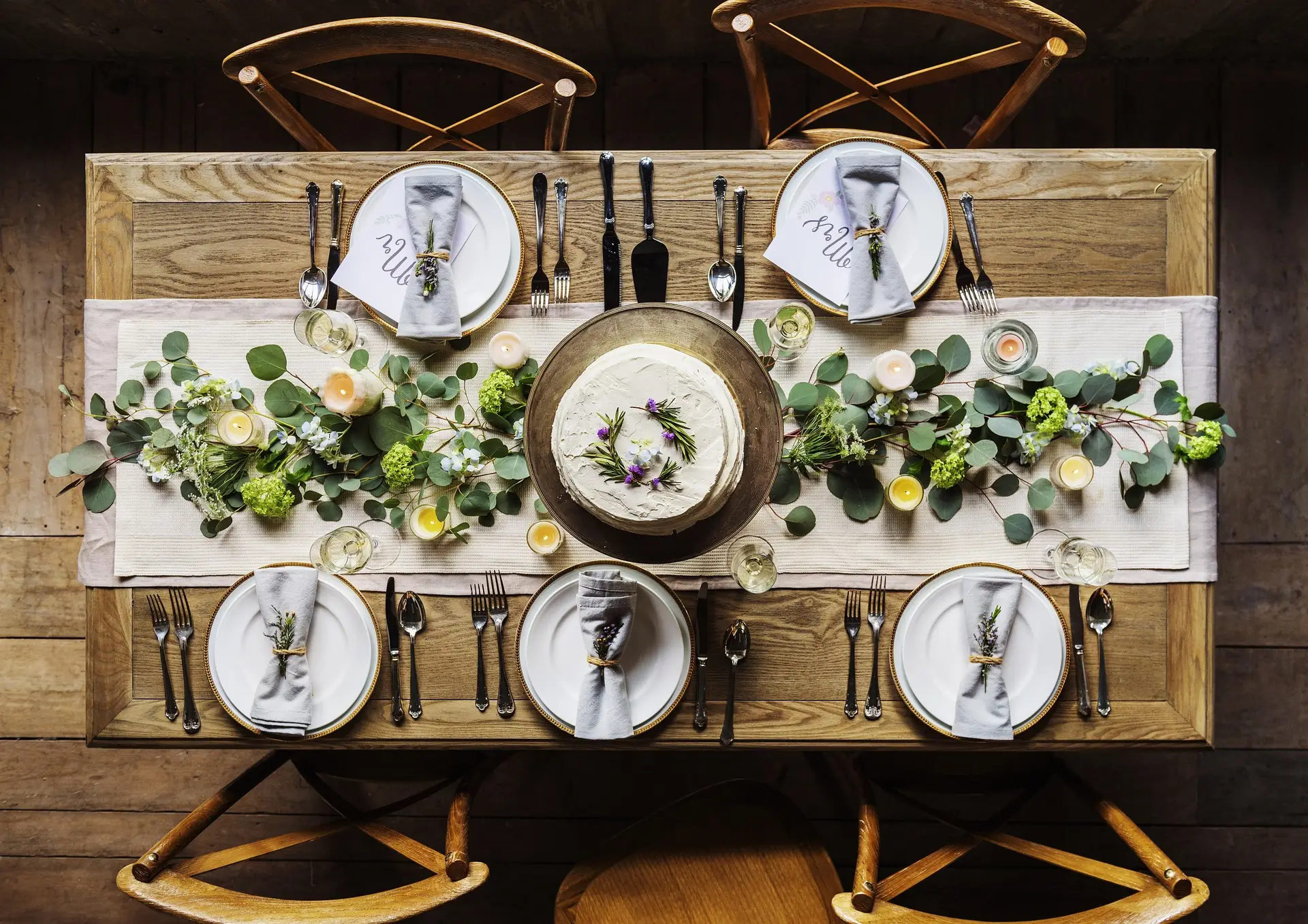
Jávea: A Gastronomic Guide to the Town and Coast
Jávea (Xàbia) is a true paradise for food lovers. This picturesque town on the Costa Blanca coastline is renowned not only for its beaches and charming atmosphere, but also for its unique gastronomic scene.
The town is perfect both for a leisurely dinner with a sea view and for a full gastronomic journey, where each meal becomes a true adventure.
The variety of cuisine in Jávea is remarkable: traditional recipes passed down through generations, the freshest seafood straight from local markets, as well as Michelin-starred fine dining restaurants where every dinner is a work of art. Regardless of taste or budget, everyone in Jávea can find a place that suits them and discover new gastronomic horizons.
Gastronomic Routes in Jávea
1) Xàbia Històrica (Historic Center). Stone facades, the coolness of narrow streets, the local market, and bars “for locals” form a clear gastronomic base: tapas, homemade dishes, seasonal vegetables, simple stews, sweet pastries. This area is ideal for breakfast or lunch when it’s hot on the coast, and it’s pleasant to return in the evening – not for the “view,” but for the peaceful atmosphere.
2) Duanes de la Mar (Port Area). The heart of seaside Jávea. The culinary logic here is simple: the closer to the port, the more authentic the taste of the sea. Fish, rice dishes, “suc roig” (red juice), hearty fish stews, and salted products are all not just for photos but for genuine satisfaction. Lunch at the port is especially rewarding: you feel the real rhythm of the town, not a postcard image.
3) Playa del Arenal (Beach Area). The most “resort-like” scenario: a long line of cafes and restaurants, cocktails, light snacks, seafood dishes, and many international options. Here, it is worth choosing places that maintain product quality and remember that rice is not just a side dish but a separate tradition, and fish is not a neutral protein but the distinct taste of the coast.

An important feature of Jávea is the consistent local set of products and dishes, easily recognizable on menus: vegetables and fruits from nearby valleys, seafood from the bay, rice (both dry and “meloso” styles), salted products, almonds, figs, raisins, citrus. In good restaurants, this is not just a list but a “vocabulary” – you understand that the town is speaking the same language with you.
Food Guide in Jávea
The restaurant scene in Jávea (Xàbia) is diverse and dynamic. A defining feature of local cuisine is the freshness of ingredients and richness of flavors. Jávea is famous for its seafood: fish, shrimp, mussels, and squid often come directly from local markets. Rice dishes, traditional Spanish recipes, and seasonal delicacies reflecting the region’s cultural traditions are also popular.

The best time for gastronomic discoveries in Jávea is from spring to early autumn. During this period, fresh seasonal products are available, especially seafood and vegetables, and local gastronomic festivals take place. Even outside the tourist season, Jávea offers restaurants with authentic cuisine, where dishes are prepared following traditional recipes.
Traditional Cuisine of Jávea
The traditional cuisine of Jávea (Xàbia) is based on simple but rich flavors that reflect the maritime and rural culture of the region. The diet is centered on fresh seafood, local vegetables, rice, aromatic spices, and olive oil. Each dish carries the spirit of the Costa Blanca and centuries-old culinary traditions.
Main Traditional Dishes
- Paella – a classic dish with rice, seafood, meat, or vegetables, and one of the symbols of Spanish cuisine.
- Grilled Sardines (Sardinas a la plancha) – fresh fish cooked over an open flame, often served with olive oil and lemon.
- Escalivada (Escalivada) – roasted vegetables with olive oil, garlic, and herbs, popular during the summer months.
- Gazpacho – a cold tomato soup, ideal in hot weather and perfectly refreshing.
- Fideuà – a dish similar to paella, made with thin noodles and seafood, a traditional coastal recipe of the Costa Blanca.
History and Cultural Context
The culinary traditions of Jávea developed under the influence of maritime trade, agriculture, and neighboring regions of Spain. Seafood has always played a key role in the local diet, and rice and fresh vegetable dishes have been passed down through generations. Many recipes remain authentic today, allowing visitors to experience true Spanish culture through food.
Recommendations for Restaurants with Authentic Cuisine
To taste genuine traditional cuisine of Jávea, consider visiting the following restaurants:
Restaurante La Boheme
Atmosphere. La Boheme offers a cozy and friendly environment with a focus on fresh seafood and traditional paella. The interior is simple and elegant, with attention to detail in presentation and comfortable service. It is welcoming both to tourists and locals seeking a quality lunch or dinner with a “homely” atmosphere.
What to Order. Be sure to try seafood paella, dishes with seasonal fish, grilled squid, and traditional tapas. The menu also includes fresh salads and local appetizers. Complement your meal with a glass of white or rosé wine – it pairs perfectly with the maritime flavors.
Contact Details:
Address: Av. Augusta, 15, Xàbia/Jávea, Alicante
Google Maps: view on the map
El Cantal
Atmosphere. El Cantal is a family-run restaurant with a cozy and welcoming atmosphere. Simple yet pleasant décor, traditional touches, and friendly staff make you feel as if you are dining in a local home.
What to Order. Classic Spanish cuisine: fried fish, meat dishes, tapas, and seasonal vegetables. Pay special attention to homemade sauces and simple, high-quality ingredients. Finish your meal with a locally made dessert and a glass of regional wine.
Contact Details:
Address: Carrer Major, 23, Xàbia/Jávea, Alicante
Google Maps: view on the map
Restaurante BonAmb
Atmosphere. BonAmb combines traditional recipes with modern gastronomic touches. A Michelin-level fine dining restaurant with an exquisite interior and attentive service. Perfect for a special dinner or to experience an authorial interpretation of local cuisine.
What to Order. The tasting menu is recommended, showcasing local products and seasonal seafood, as well as signature dishes with paella and fresh fish. The wine list, focused on Spanish wines, perfectly complements any selection.
Contact Details:
Address: C/ San Bartolomé, 2, Xàbia/Jávea, Alicante
Google Maps: view on the map
What to Try in Jávea: Rice, Fish, Tapas, Desserts
Rice: More than Just Paella
In Jávea, rice is a culture of its own. If you order “just paella,” you might miss something interesting. Pay attention to:
- Arròs a banda – rice “separate” from the broth: the rice is cooked in a rich fish stock, often served with a sauce (such as alioli). The flavor is more “marine” than it appears at first glance.
- Arroz negro – black rice with cuttlefish ink, which requires the right balance: if the ink “overpowers,” the dish becomes flat; if done correctly, you taste the depth and subtle sweetness of the sea.
- Arroces melosos – “meloso” rice, more juicy and creamy in texture. Often prepared with lobster, fish, or seasonal seafood.
- Arroz al horno – oven-baked rice, more “homestyle,” dense, with the character of traditional cuisine.
Fish and Seafood: The Taste of the Bay
One of Jávea’s strengths is its fish and seafood. The ideal approach is to choose seasonal options and trust local preparations: frying, grilling, stewing, rice dishes. Be sure to try items that seem like “local oddities” but are actually traditions:
- Pulpo seco (dried octopus) – dried and then cooked to develop a “chewy,” noble texture and concentrated sea flavor. This is not about tenderness – it’s about character.
- Suc roig / Cruet de peix – fish dishes in a rich “red” sauce or stewed base, an excellent way to experience the depth of local cuisine without complex techniques.
- Sea urchins – in season, they are eaten simply with bread or sometimes used in rice dishes. This is a very “honest” taste of the sea.
Tapas and Snacks: Tasting Jávea “Piece by Piece”
A good day in the town often begins with tapas: you order 2–3 items, a glass of wine or beer, and gradually “tune in” to the local rhythm.

Look for in the menu:
- Esgarrat (similar to a salad of roasted peppers with salted fish) – simple, but with a very Mediterranean flavor profile.
- Cocas (local flatbreads/pies) – a perfect option for a light lunch.
- Salazones (salted products) – a cornerstone of local flavor: anchovies, tuna, and other salted specialties.
Desserts: Almonds, Citrus, Figs
In Jávea, desserts are appreciated for their local logic: almonds, oranges, raisins, figs. Here, desserts are designed not to overload the palate after fish and rice. Good choices include almond pastries and citrus-flavored treats, as well as homemade versions of classics (cheesecakes, tartlets) in places that know how to work with ingredients.
Seasonality of Dishes in Jávea
In Jávea (Xàbia), many dishes depend on the season, making the gastronomic experience especially diverse. When planning a visit, it is useful to know which dishes are best to try in different months.
April: Traditional Suquet Soup
In spring, especially in April, special attention is given to the traditional fish soup Suquet. This hearty and aromatic dish is made from fresh fish and seafood with potatoes, garlic, and olive oil. In spring, the ingredients are especially fresh, giving the soup a rich and vibrant flavor.
Summer: Paella and Seafood
The summer season is the perfect time to taste paella and fresh seafood. From June to August, restaurants in Jávea offer a wide selection of seafood paella, meat paella, and signature versions. The warm weather makes dining on terraces especially enjoyable.
Winter: Tapas and Comfort Dishes
During winter months, focus shifts to tapas and cozy home-style dishes. This is the period when there are fewer tourists, and restaurants offer seasonal vegetables, meat dishes, and tapas, ideal for a leisurely dinner in a warm atmosphere.
Tips for Seasonal Tasting
- Visit Jávea in spring to try fresh Suquet and seasonal seafood.
- In summer, reserve tables in advance for terrace paella with sea views.
- In winter, explore tapas bars and restaurants with traditional dishes to experience the cozy atmosphere of the town.
By considering seasonality, you can maximize the variety of gastronomic experiences and enjoy the best dishes of Jávea at any time of year.
Dietary Options in Jávea
In Jávea (Xàbia), restaurants accommodate a range of dietary preferences, so even guests with special dietary needs can enjoy local cuisine. Whether you are looking for vegan dishes, gluten-free options, or children’s menus, there is a suitable place in town.
Vegan Dishes
Many restaurants offer fresh vegetable salads, legume dishes, roasted vegetables, and tapas without animal products. Popular vegan snacks include escalivada, vegetable stews, and a variety of salads with local ingredients.
Gluten-Free Options
Restaurants in Jávea increasingly offer gluten-free dishes such as rice-based paella, seafood, and meat dishes. Some establishments clearly mark gluten-free options on the menu so guests can safely make choices.
Children’s Menu
For families with children, special kids’ menus are available, including small portions of popular dishes: mini-paella, simple pasta, omelets, fried fish, and light tapas. Many restaurants provide high chairs and play corners for young children.
Tips for Choosing Dietary Options
- Inform the restaurant of your dietary preferences when booking, so the chef can prepare an appropriate dish.
- Look for restaurants with clearly marked vegan and gluten-free dishes on the menu for convenience.
- Children’s menus are usually available in family restaurants and tapas bars, so plan ahead for a comfortable meal with kids.
Thanks to the wide range of dietary options, every visitor to Jávea can enjoy local cuisine without restrictions.
Paella in Jávea
Paella is not just a dish but a symbol of Spanish cuisine, and in Jávea (Xàbia) it is a must-try. With fresh ingredients from local markets, special cooking methods, and a rich combination of flavors, paella becomes a true gastronomic adventure. Even tourists who have never tried it before are amazed by its aroma and texture.
Types of Paella
- Seafood Paella (Paella de Mariscos) – includes shrimp, mussels, squid, and fish. Fresh seafood makes the flavor especially rich and aromatic.
- Meat Paella (Paella Valenciana) – the traditional version with chicken, rabbit, and green beans. Perfect for lovers of classic recipes from the Valencia region.
- Traditional Mixed Paella (Mixta) – combines seafood and meat, creating a unique flavor balance characteristic of the Costa Blanca coast.
Best Places for Paella in Jávea
There are many restaurants in Jávea where paella is prepared at a high level:
Restaurante La Boheme
Atmosphere. La Boheme is a cozy Mediterranean restaurant with a relaxed atmosphere, ideal for a leisurely lunch or dinner. Traditions are valued here, and dishes focus on fresh ingredients and guest comfort.
What to Order. The main choice is seafood paella with shrimp, mussels, and squid. Also try black rice (arroz negro) and other rice dishes. Best ordered for two people and complemented with a glass of white wine.
Contact Details:
Address: Av. Augusta, 15, Xàbia/Jávea, Alicante
Google Maps: view on the map
Restaurante La Fontana
Atmosphere. La Fontana is a popular restaurant in the Arenal area with a lively atmosphere and a view of the promenade. A great choice to experience classic Spanish cuisine in the tourist center of Jávea.
What to Order. Classic Paella Valenciana with chicken and rabbit, as well as mixed versions (mixta). Reservations are recommended, especially in high season. Pairs well with sangria or a light white wine.
Contact Details:
Address: Paseo del Arenal, 1, Xàbia/Jávea, Alicante
Google Maps: view on the map
Restaurante Bon Amb
Atmosphere. Bon Amb is a Michelin-level restaurant with a modern approach to traditional cuisine. Elegant setting, high-quality service, and attention to detail make it perfect for a gastronomic experience.
What to Order. Authorial interpretations of paella and rice dishes made from local and seasonal ingredients. A tasting menu is recommended, where paella is presented in a modern format. Complete the meal with wine pairing.
Contact Details:
Address: C/ San Bartolomé, 2, Xàbia/Jávea, Alicante
Google Maps: view on the map
For the best tasting experience, visit restaurants at lunchtime when paella is freshly prepared and served with an aroma you will not forget.
Best Tapas in Jávea
Tapas are an essential part of Spanish culture and gastronomy, and in Jávea (Xàbia) they are offered in great variety. From classic olives and fried calamari to modern signature snacks, tapas can be enjoyed in cozy bars and stylish restaurants with sea views.
Popular Tapas Bars
Bar Anita
Atmosphere. Bar Anita is famous for its traditional tapas and friendly atmosphere. It is cozy and informal, perfect for lunch or dinner with friends or family. Locals value this place for its authenticity and quality of dishes.
What to Order. Be sure to try classic tapas: patatas bravas, albóndigas, croquetas, as well as seasonal seafood. Complement your meal with a glass of sangria or local wine.
Contact Details:
Address: Calle Mayor, 10, Xàbia/Jávea, Alicante
Google Maps: view on the map
El Molino
Atmosphere. El Molino is a cozy bar with traditional interior and a relaxed atmosphere. A great spot for lovers of seafood tapas and regional snacks, where every guest feels at home.
What to Order. Try seafood tapas: gambas al ajillo, calamares, as well as local snacks. A glass of white wine or rosé perfectly complements the flavor of seafood.
Contact Details:
Address: Av. Augusta, 22, Xàbia/Jávea, Alicante
Google Maps: view on the map
La Cava
Atmosphere. La Cava is a modern tapas bar featuring original dishes and high-quality local ingredients. The contemporary interior and stylish presentation create an ideal setting for a light dinner or a tapas tasting with friends.
What to Order. Signature tapas, combinations of seafood and vegetables, as well as tasting plates with local delicacies are highly recommended. Pair them with a glass of Spanish wine or craft beer for the full experience.
Contact Details:
Address: Calle San Bartolomé, 7, Xàbia/Jávea, Alicante
Google Maps: view on the map
Features of Local Tapas
Local tapas in Jávea stand out for the freshness of their ingredients and an emphasis on seafood. Fresh shrimp, mussels, squid, as well as local olives, cheese, and vegetables are commonly used. Tapas are served in small portions, allowing you to try several varieties in one visit and enjoy a diverse range of flavors.

Top Tapas Restaurants
El Cantal
Atmosphere. El Cantal combines traditional and modern tapas in a cozy, friendly environment. The restaurant is popular with both tourists and locals, making it ideal for a relaxed dinner or tapas tasting with friends.
What to Order. Recommended are combinations of classic and signature tapas: patatas bravas, albóndigas, seafood snacks, and seasonal vegetable dishes. Pairs perfectly with a glass of red or white Spanish wine.
Contact Details:
Address: Carrer Mayor, 23, Xàbia/Jávea, Alicante
Google Maps: view on the map
La Perla
Atmosphere. La Perla is a cozy seaside restaurant with high-quality seafood. The traditional Spanish atmosphere with a view of the sea creates the perfect setting for a relaxed dinner or romantic meal.
What to Order. Focus on seafood tapas: gamba roja, calamares, seafood cocktail, as well as seasonal dishes with fish and fresh vegetables. The wine list with local white wines perfectly complements the seafood flavors.
Contact Details:
Address: Duanes del Mar, 2, Xàbia/Jávea, Alicante
Google Maps: view on the map
Restaurante Bon Amb
Atmosphere. Bon Amb is a Michelin-level fine dining restaurant where signature tapas are prepared with fresh seasonal ingredients. Elegant presentation and a contemporary atmosphere create a high-level gastronomic experience.
What to Order. Tasting tapas and seasonal seafood, along with signature interpretations of classic dishes, are recommended. Pair with white and sparkling wines from the restaurant’s list to fully enhance the flavors.
Contact Details:
Address: C/ San Bartolomé, 2, Xàbia/Jávea, Alicante
Google Maps: view on the map
The best time to visit tapas bars is in the evening when the atmosphere is lively and dishes are served fresh and aromatic. Sampling several types of tapas gives a complete impression of Jávea’s flavor palette.
Seafood Restaurants in Jávea
Jávea (Xàbia) is famous for its fresh seafood, and the city’s restaurants offer a wide range of dishes for lovers of fish, shellfish, and shrimp. Located on the Costa Blanca coast, seafood arrives daily, ensuring freshness and rich flavor in every dish.
Best Seafood Restaurants
Restaurante La Boheme
Atmosphere. La Boheme is a popular spot with a cozy and friendly atmosphere, focusing on fresh seafood. It is ideal for a family dinner or a relaxed lunch with friends.
What to Order. Focus on seafood paella, fresh grilled fish, calamari, and shrimp. Seasonal seafood delicacies and fish tapas are also recommended. Complete the meal with a glass of white wine or rosé.
Contact Details:
Address: Av. Augusta, 15, Xàbia/Jávea, Alicante
Google Maps: view on the map
El Farallon
Atmosphere. El Farallon is located right on the coastline with panoramic sea views. The interior is simple and elegant, and the open terrace allows diners to enjoy meals with sea air and a view of yachts.
What to Order. Fresh fish, shellfish, shrimp, and seasonal seafood. Pay attention to the chef’s daily specials. Pairs perfectly with a glass of white wine or local rosé.
Contact Details:
Address: Paseo del Puerto, 10, Xàbia/Jávea, Alicante
Google Maps: view on the map
Restaurante Bon Amb
Atmosphere. Bon Amb combines traditional seafood with modern gastronomic techniques. A Michelin-level fine dining restaurant with elegant interiors, attentive service, and high-quality presentation.
What to Order. Tasting seafood dishes, signature interpretations of paella, and seasonal fish. Pair with white and sparkling wines to fully enjoy the flavors.
Contact Details:
Address: C/ San Bartolomé, 2, Xàbia/Jávea, Alicante
Google Maps: view on the map
Dish Recommendations
- Fresh grilled fish – preserves natural flavor and aroma perfectly.
- Mussels and shellfish – popular as tapas or main dishes with aromatic sauces.
- Shrimp and calamari – served fried, grilled, or in paella and fideuà.
Fresh Ingredients and Seafood Delicacies
The main secret of seafood flavor in Jávea is its freshness. Fish and seafood are purchased from local fishermen daily and prepared using traditional recipes or modern gastronomic techniques. Regardless of the restaurant chosen, every meal becomes a true culinary experience of the sea.
Michelin Restaurants in Jávea 2026
Jávea (Xàbia) offers not only traditional dishes and seafood but also fine dining restaurants with Michelin stars and high gastronomic ratings. These establishments provide a unique culinary experience where every detail – from plating to flavor pairing – is carefully considered.

List of Michelin or Highly Rated Restaurants
Restaurante Bon Amb
Atmosphere. Bon Amb is a Michelin-level restaurant with elegant interiors and attentive service. A modern approach to traditional cuisine makes it perfect for a special dinner or high-level gastronomic experience.
What to Order. Tasting sets with signature dishes made from local products, seasonal fish, and seafood. Recommended to pair with white or sparkling wines from the restaurant’s wine list to fully enhance the flavor profile.
Contact Details:
Address: C/ San Bartolomé, 2, Xàbia/Jávea, Alicante
Google Maps: view on the map
El Rodat
Atmosphere. El Rodat is a fine dining restaurant with a refined interior and attentive service. Perfect for a romantic dinner or special occasion, combining regional traditions with haute cuisine.
What to Order. Signature tasting sets featuring seasonal and local products. Special attention is given to seafood, meat, and vegetables prepared using modern culinary techniques.
Contact Details:
Address: Ctra. Cabo de la Nao, 22, Xàbia/Jávea, Alicante
Google Maps: view on the map
La Perla
Atmosphere. La Perla is a premium seaside restaurant with refined presentation and a cozy atmosphere. Ideal for a romantic dinner or business meeting with a focus on seafood.
What to Order. High-quality seafood tapas and main dishes, seasonal fish, and signature interpretations of traditional recipes. Pair with white wine or champagne for a complete gastronomic experience.
Contact Details:
Address: Duanes del Mar, 2, Xàbia/Jávea, Alicante
Google Maps: view on the map
Menu and Atmosphere Highlights
In Michelin-starred restaurants in Jávea, the menu is carefully curated to combine fresh seasonal ingredients with signature culinary techniques. The atmosphere is usually elegant and cozy, making it perfect for a romantic dinner or a special occasion. The presentation of dishes transforms each meal into a visual and gustatory art, where every element is meticulously thought out.
Fine Dining Experience in Jávea
Fine dining in Jávea is more than just a meal. It is a complete gastronomic journey: tasting menus, wine and food pairings, the skill of the chef, and attention to detail make each dinner unforgettable. Visiting a Michelin-starred restaurant is an excellent way to experience contemporary Spanish cuisine at the highest level.
Where to Eat in Arenal, Jávea
Arenal is one of the most popular areas of Jávea (Xàbia), especially among tourists, thanks to its beaches, promenade, and lively atmosphere. The area is home to numerous restaurants, bars, and cafés offering both traditional Spanish cuisine and international gastronomic dishes.
Best Restaurants for Tourists and Locals
Restaurante La Siesta
Atmosphere. La Siesta is a cozy restaurant with a view of the beach, offering a relaxed and comfortable setting. It is an excellent choice for lunch or dinner outdoors with a sea view.
What to Order. A variety of Spanish dishes: seafood, fresh fish, and vegetable tapas. Pay special attention to seasonal dishes and light starters. A glass of white wine will highlight the freshness of the seafood cuisine.
Contact Details:
Address: Av. del Mediterráneo, 5, Xàbia/Jávea, Alicante
Google Maps: view on the map
Blue Marlin
Atmosphere. Blue Marlin is a seaside restaurant known for the quality of its ingredients and friendly ambiance. It is an excellent place for a family dinner or a lunch with friends.
What to Order. Seafood, fresh fish, and paella are the main dishes to try. A glass of white or rosé wine perfectly complements the meal.
Contact Details:
Address: Paseo del Arenal, 12, Xàbia/Jávea, Alicante
Google Maps: view on the map
Casa del Mar
Atmosphere. Casa del Mar is a stylish restaurant with a modern interior and a cozy ambiance. It is suitable for romantic dinners or gastronomic tastings.
What to Order. Signature tapas, refined fish and seafood dishes, and seasonal interpretations of traditional cuisine. Wine from the restaurant’s selection complements any dish harmoniously.
Contact Details:
Address: Av. del Mediterráneo, 18, Xàbia/Jávea, Alicante
Google Maps: view on the map
El Cantal
Atmosphere. El Cantal is a popular bar among locals with a relaxed atmosphere. It is ideal for a light lunch or dinner, as well as for a tapas tasting with friends.
What to Order. A variety of tapas and small dishes: classic and signature options, seasonal vegetables, and seafood. A glass of local wine or sangria enhances the flavor of the dishes.
Contact Details:
Address: Carrer Mayor, 23, Xàbia/Jávea, Alicante
Google Maps: view on the map
Booking Tips and Popular Dishes
Arenal is a tourist area, so it is recommended to reserve a table in popular restaurants in advance, especially during the summer season. Must-try dishes include paella, fideuà, fresh seafood, and a variety of tapas. For a complete experience, it is best to try several restaurants along different parts of the promenade to fully appreciate the diversity of local cuisine.

Visiting Arenal restaurants in the evening is especially pleasant: open terraces with sea views create the perfect setting for a leisurely dinner and enjoyment of Mediterranean gastronomy.
Practical Tips: When and Where to Eat
- Breakfast and late breakfast. In the historic center and quiet nearby areas, you will find the right rhythm: coffee, simple toasts, fruit, and light dishes. On the promenades, breakfast is often more “beach-style” – beautiful and relaxed.
- Lunch. The best time for rice and fish dishes is during the day: the kitchen is “at its best,” ingredients are fresh, and you are not yet tired from the sun. The port area and seaside spots are ideal, but it is recommended to reserve in advance, especially in season.
- Dinner. In the evening, it makes sense to choose either a tasting format (if you want the “full story”) or a light seaside dinner: fish, salads, tapas, and a good glass of wine.
- Reservations. Essential for fine dining. For popular waterfront locations, highly recommended on weekends and during the summer.
Top Restaurants in Jávea: Detailed Recommendations
Tosca Restaurant
Atmosphere. Tosca offers “intelligent” Mediterranean cuisine by the water: a terrace along the Marina Nou Fontana, a calm pace of service, and the sense that you are there to experience the evening, not just to eat. Precision is valued – in seasoning, fish temperature, sauces, and flavor harmonies – so even familiar ingredients taste more refined. The restaurant is excellent for a long lunch after the beach or a dinner when you want beautiful gastronomy without pretension.
What to Order. To capture Tosca’s character in one visit, choose the tasting menu (if available in season): it showcases the cuisine dynamically and provides the best balance of seafood, vegetables, and textures. Classic options to consider include fish and seafood, seasonal vegetable dishes, and delicate desserts. A recommended sequence: light seafood starters → main course with fish/seafood → finish with something citrusy or creamy.
Contact Details:
Address: Av. del Mediterráneo, 238, 03738 Jávea/Xàbia, Alicante, España
Google Maps: view on the map
Tula Restaurant
Atmosphere. Tula offers modern Mediterranean cuisine with respect for ingredients and careful presentation without unnecessary theatrics. It is an excellent choice if you want an elevated experience without formality: comfortable for both seasoned food enthusiasts and those simply seeking a quality lunch or dinner in Jávea.
What to Order. Opt for dishes that highlight local flavors: fish, seafood, seasonal vegetables, as well as dishes with precise sauces and fresh acidity. Rice dishes or signature interpretations of seafood flavors are almost always a reliable choice. Complement the meal with a glass of white or sparkling wine, which pairs especially well with seafood.
Contact Details:
Address: Av. de la Llibertat, 36, Xàbia/Jávea, Alicante
Google Maps: view on the map
La Perla de Jávea (Playa del Arenal)
Atmosphere. La Perla is a family-friendly restaurant at Arenal Beach with a “classic” Mediterranean setup and a proper resort rhythm: people come for fish, rice dishes, seafood, and a relaxed lunch or dinner by the sea. The format is clear and straightforward, letting flavor and presentation work together.
What to Order. Focus on rice dishes (especially seafood versions) and fish/seafood. A good sequence: start with light seafood starters, then one “main” dish for sharing (rice or grilled fish), and finish with dessert, keeping the day at the coast light.
Contact Details:
Address: Av. de la Llibertat, 21, 03730 Xàbia, Alicante, Spain
Google Maps: view on the map
Cala Bandida
Atmosphere. Cala Bandida is the quintessential seaside spot where you sit by the water, hear conversations along the promenade, and realize that the holiday has truly begun. Here, food works together with the view: it must be fresh, approachable, and enjoyable without heaviness or excessive complexity.
What to Order. The logic is simple: seafood starters, fish, and dishes that maintain the Mediterranean mood. Great for sharing: salads, appetizers, seafood, followed by one “main” dish (fish or rice if available). Take your time: Cala Bandida is a place where flavor is enhanced by pauses.
Contact Details:
Address: Puerto de Jávea, Muelle Pesquero, s/n, 03730 Xàbia, Alicante, Spain
Google Maps: view on the map
La Siesta Jávea
Atmosphere. La Siesta is about lightness, sun, and that perfect beach “pause for life” when you do not want to complicate anything. It is a comfortable coastal spot, ideal for a lunch after a walk or an early dinner while the air is still warm and the town begins to settle down.
What to Order. Choose dishes that match the format: fish, seafood, salads, light appetizers, dessert. The “less is more” strategy works well: 2–3 successful dishes and a drink provide an experience remembered for quality and atmosphere, not quantity.
Contact Details:
Address: Avinguda del Mediterrània, 27, 03738 Xàbia, Alicante, Spain
Google Maps: view on the map
Restaurante Posidonia
Atmosphere. Posidonia is a clear and very “right” choice if your goal is to feel the sea through food. In places like this, the simple formula works best: quality ingredients + precise technique + a calm waterside setting. There is no need to look for hidden meanings here – the idea is to enjoy how Jávea expresses itself on the plate.
What to Order. Start with seafood appetizers and then move on to rice or fish dishes. If there are rice options on the menu, consider them the “main stage,” and build the rest of the meal around them. A great idea is to finish lunch with a light dessert and coffee, preserving the Mediterranean sense of “taking your time.”
Contact Details:
Address: Av. de la Llibertat, bloque 2 N, 2-3, 03730 Xàbia, Alicante, Spain
Google Maps: view on the map
1-Day Itinerary: A Leisurely Gastronomic Journey in Jávea
09:30–10:30 – Light Start in the Historic Center. Begin your day as locals do: calmly, without rushing. Enjoy a coffee and a simple snack or pastry. The goal is not to “fill up,” but to set the right tone for the day.
11:00–12:30 – Walk and Taste Jávea “Through Its Ingredients.” The essence of Jávea lies in the connection between the land and the sea. Ideally, take note, even mentally: what is grown here, what is caught, what is salted, and what is dried. This makes any subsequent lunch feel more meaningful.
13:30–15:30 – Lunch by the Sea (Cala Bandida or Posidonia). This is the best time to order seafood and rice dishes. Start with appetizers on the table, then move on to one main dish (rice or fish), and take your time: Jávea reveals itself in pauses.
17:30–18:30 – Short Break to “Catch Your Breath.” This could be a walk along the promenade, a coffee, or a light dessert. The goal is not to “add more food,” but to leave room for the evening experience.
20:00–22:30 – Dinner “As an Impression.” If you want a gastronomic highlight, choose BonAmb (and reserve in advance). If you prefer a relaxed city vibe, try Volta i Volta or a light format by the coast (La Siesta).
Food Prices in Jávea 2026
When traveling in Jávea (Xàbia), it is important to know approximate prices for popular dishes and restaurants to plan your gastronomic journey. In 2026, average prices are as follows:
- Paella: €15–€25 per serving. Prices depend on ingredients: seafood paella is usually more expensive than meat or vegetable versions.
- Tapas: €3–€6 per portion. Traditional tapas, such as olives, fried calamari, or mini-paella, are available at moderate prices, allowing you to try several varieties in one visit.
- Michelin-Starred Restaurants: €80 and above for a tasting menu or full dinner. Fine dining is a distinct experience with refined presentation, wine pairings, and attention to detail.
Budget Planning Tips
To save money while enjoying local cuisine, it is recommended to:
- Order paella and tapas at traditional restaurants and bars with moderate prices.
- Visit markets and small cafés for a quick snack of fresh seafood.
- Reserve tables in Michelin-starred restaurants in advance and consider the cost of tasting menus when planning your budget.
These guidelines help tourists and food enthusiasts plan expenses in advance and fully enjoy Jávea’s culinary scene without unexpected surprises.
Restaurant Opening Hours in Jávea
When planning a gastronomic trip in Jávea (Xàbia), it is important to take into account typical restaurant hours. Most establishments have two main meal periods:
- Lunch: 13:00–16:00. During this time, main dishes, including paella, seafood, and tapas, are served. This is a popular time among locals and tourists, so it is recommended to arrive early, especially on weekends.
- Dinner: 20:00–23:00. In the evening, restaurants offer a wider menu selection, including tasting sets and fine dining dishes at Michelin-starred restaurants. The atmosphere is usually calmer and more romantic, ideal for a leisurely dinner with a sea view.
Visiting Tips
To get the best gastronomic experience in Jávea, consider the following recommendations:
- Book tables in advance at popular restaurants, especially for dinner.
- If you want fresh paella, visit restaurants during lunch when it is prepared freshly.
- In small tapas bars, you can come anytime during lunch or dinner periods, but peak times are around 14:00 and 21:00.
Knowing standard opening hours allows you to plan your gastronomic routes in Jávea and enjoy meals without waiting or queues.
Transportation in Jávea
For convenient travel in Jávea (Xàbia) and its gastronomic routes, it is important to consider transport and parking options.
Public Transport
The ALSA bus connects Alicante and Jávea. A ticket costs approximately €5 one way. This is a convenient option for tourists who do not plan to rent a car.
Parking
If you plan to travel by car, paid parking is available in the Arenal area. The average cost is €2 per hour. It is recommended to arrive early in popular tourist areas to find a spot, especially during lunch and dinner times.
Planning transportation in advance helps save time and enjoy Jávea’s gastronomic discoveries without hassle.
FAQ on Restaurants and Gastronomy in Jávea 2026
Which restaurants in Jávea require reservations in 2026?
In 2026, popular restaurants in Jávea recommend booking in advance, especially during summer and weekends:
- BonAmb (Michelin, Old Town): reservation recommended 2 weeks in advance via WhatsApp or website.
- La Fontana (Arenal): daily reservations convenient via WhatsApp, especially in the evening.
- La Perla (Duanes del Mar): weekend reservations recommended for the terrace with sea views.
WhatsApp reservations are popular and convenient; many restaurants confirm tables quickly.
How much does paella cost in Jávea in 2026?
Average paella prices depend on location and type of restaurant:
- Arenal: ≈ €15–20 per standard portion.
- Port: ≈ €22–28 per seafood paella portion.
- Michelin Restaurants: from ≈ €35 and up, usually served for 2 people with tasting elements.
Typically, portions are for 2–3 people in fine dining and 1–2 in traditional restaurants.
Where to park near Old Town restaurants?
Parking in the Old Town is limited, but options include:
- Plaça Església: paid parking €2/h, convenient for BonAmb and nearby restaurants.
- Carrer Mayor: free parking after 20:00, 5-minute walk to BonAmb.
Plan to arrive early, especially in the evening.
Restaurant hours in Jávea (lunch/dinner)?
Standard hours:
- Lunch: 13:00–16:00
- Dinner: 20:00–23:00
In Arenal during summer, restaurants may stay open until 01:00, especially popular tapas bars.
How to get from Alicante to Jávea restaurants?
Main transport options:
- ALSA bus: ≈ €5, 1 hour journey.
- Bolt/Taxi: ≈ €45, more convenient for groups or luggage.
- Parking in Arenal: €2/h, Old Town is easy to explore on foot.
Vegan/Gluten-Free Options in Jávea Restaurants?
Many restaurants offer special options:
- La Siesta (Arenal): hummus, vegetable paella, salads.
- Volta i Volta (Old Town): gluten-free tapas, vegetable starters.
It is recommended to confirm availability when booking.
Discounts and Promotions in Jávea Restaurants 2026?
In 2026, various promotions are available:
- TheFork: 30% off dishes, for example Picoteo Port Bar.
- Happy Hour La Fontana: 18:00–20:00, tapas €3.
Check official websites or apps for the latest offers.
Where are the best Montgó views from restaurants?
Montgó panoramas can be enjoyed from:
- La Perla (Duanes del Mar)
- Thalassa (Port)
- Attico (Rooftop Arenal)
Perfect for sunset dinners with photos and sea views.
Children’s Menu and Prices in Jávea Restaurants?
Many restaurants offer children’s menus:
- La Fontana: children’s paella ≈ €12
- Bohemians: mini burger ≈ €10
Children under 10 usually receive a 50% discount, ideal for family meals.
Typical Dishes to Try in Jávea (Beyond Paella)
In addition to paella, consider trying:
- Esgarrat: roasted red peppers with salted cod, ≈ €6
- Gamba roja: red prawns, ≈ €25/100g
- Coca de pasas: sweet raisin pastry, ≈ €4
These dishes reflect local flavors and perfectly complement a gastronomic itinerary.
Conclusion
Jávea (Xàbia) is a true paradise for food lovers. Everyone will find something to their taste: from fresh seafood and classic paella to signature tapas and Michelin-starred restaurants. Be sure to try seafood paella, fresh grilled fish, local tapas, and traditional dishes such as escalivada or fideuà.
For gourmets, it is important to explore the diversity of local cuisine: visit both traditional family restaurants and modern fine dining establishments. Do not hesitate to try new dishes and flavor combinations – it is part of Jávea’s cultural experience. Book tables in advance at popular restaurants, especially in the summer season, to enjoy fresh and high-quality meals without queues.
Jávea invites everyone to discover its gastronomic scene: leisurely lunches along the promenade, dinners with sea views, cozy tapas bars, and restaurants with refined cuisine. Each dish tells a story of the region and conveys the spirit of Mediterranean culture. Plan your gastronomic journey and immerse yourself in the world of flavors that this remarkable city offers.
