

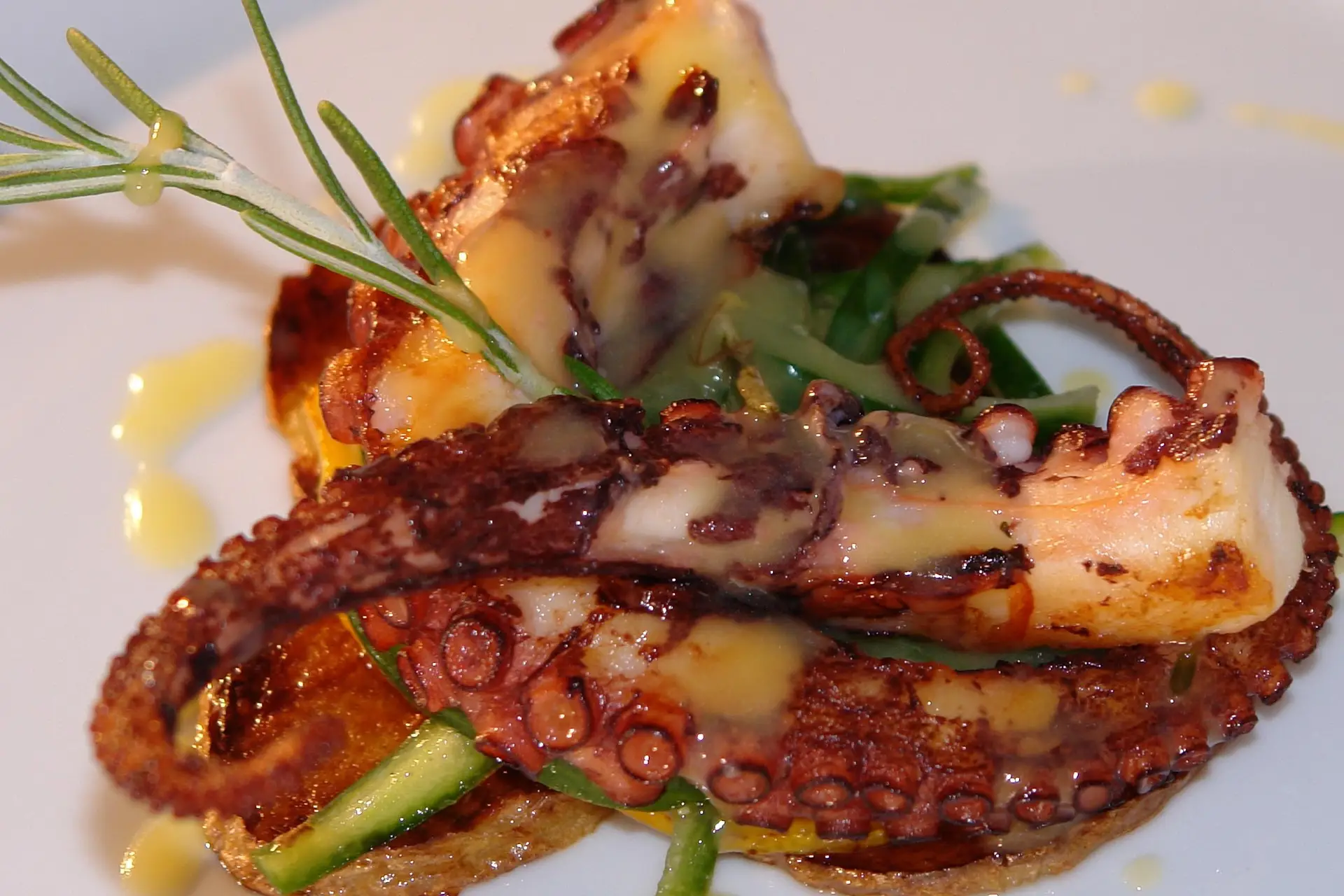
Santa Pola: Seafood and Mediterranean Cuisine
Santa Pola is one of those towns on the Costa Blanca where the sea is felt not only in the landscape but also on every plate. For decades, life here has revolved around the port, fishing docks, daily catch, and the evening bustle along the waterfront. Therefore, the gastronomic profile of the town can be summed up in two words: freshness and tradition. In Santa Pola, they know how to prepare fish and seafood so that the taste of the product is not “overpowered” by sauces and excessive spices: proper temperature, clean oil, salt, a bit of lemon, sometimes garlic and parsley-and that’s all. Despite its simplicity, the local cuisine is not boring: besides the straightforward “plancha/grill” approach, there is a culture of rice dishes, fish broths, rich sauces based on fondo (stock), and famous traditional dishes with history that are closely associated with this coast.
This article is a practical gastronomic guide to Santa Pola for those who want to eat seafood consciously: understand what to order, how local rice dishes differ, when the best time to visit is, which products are in season, how to read a typical Spanish menu, and where the city’s best seafood-focused spots are located. Inside are specific restaurants and clear routes by area: port, waterfront, town center, and beach zone. Everything is written so that you can open the page before a walk and quickly plan the “perfect seafood day.”
The Gastronomic Identity of Santa Pola: What Is Local
While other Costa Blanca towns may have similar dish maps (paella, tapas, squid), Santa Pola has a key distinction: it is a “fishing” town by character. This influences both the selection and style of preparation. Local establishments eagerly work with what comes from the sea that day: shrimp, cuttlefish, squid, mussels, fish of the day, and seasonal varieties-these are more frequently found here than in the more “resort-oriented” places where menus are heavily standardized.
What is most often considered “seafood classics” in Santa Pola:
- Arroz a banda – rice cooked in fish stock (often served with aioli), where the main hero is the aroma of the sea and the correct “dry” finish.
- Caldero (in various versions) – fish “cauldron”: first a rich broth/sauce, then rice, sometimes fish is served separately. On the coast, this is one of the most characteristic flavors.
- Fideuà – “noodle paella” (short vermicelli/fideuà) with seafood and broth.
- Sepia a la plancha – grilled cuttlefish, often with garlic and parsley: a simple order that shows the honesty of the cuisine.
- Calamares – squid, grilled or battered (a la romana). For comparison, grilled is preferable.
- Gambas / langostinos – shrimp/lobster shrimp: boiled, grilled, or cooked in their own juice.
- Mejillones – mussels, often “al vapor” (steamed) or in sauce.
- Salazones – salted/cured fish (especially in the Alicante style): perfect as tapas with a glass of white wine.
Important note: the names of dishes may be “generic” across Spain, but the taste and presentation are different. In Santa Pola, rice dishes are often more “marine” and less “ceremonial,” and seafood is served without complex constructions-making it easier to evaluate quality.
How to Order Seafood Correctly in Spain: A Mini Tourist Glossary
To avoid common mistakes (overcooked squid, “empty” rice, or overpaying for an “assorted” dish), it’s useful to know several phrases that appear on menus almost everywhere:
- Plancha – cooking on a flat grill, “dry” frying. Best for cuttlefish, squid, and fish of the day.
- Frito / fritura – deep-fried. Can be tasty, but the quality of the product may be hidden by batter and oil.
- Al vapor – steamed. Excellent for mussels and some shellfish.
- A la marinera – “sailor style”: usually a sauce based on broth, tomato, sometimes white wine.
- Arroces – rice dishes. Often prepared for at least 2 people and require time (usually 20–30 minutes).
- Ración / media ración – portion / half portion. Ask for “media” if you want to taste several dishes.
- Pescado del día – fish of the day. The most honest option in good restaurants.
If you want to “assemble a table” in the style of Santa Pola, a practical formula is: 1–2 seafood tapas (salazones, mussels, or cuttlefish), then rice for two or fish of the day, and finally a simple dessert (like flan) or just coffee along the waterfront.
The Best Seafood by Season: What to Look For and When
The Mediterranean is seasonal even when it seems like “everything is always available.” Yes, mussels and squid can be found year-round in restaurants, but the peak flavor for many species comes in specific months. In Santa Pola, this is especially noticeable because the town is closely connected to the daily catch.
- Spring: a good time for a variety of fish of the day, light seafood starters, and the first bright rice dishes with broth.
- Summer: maximum fresh seafood and “plancha” dishes. In hot weather, steamed mussels, tuna salads, cuttlefish, cold white wines, and light Alicante sparkling wines are especially enjoyable.
- Autumn: season of “deep” flavors-rice, braised seafood dishes, rich sauces. Excellent for gastronomic tours without the summer crowds.
- Winter: a time for calm, more intimate dinners and “comfort” cuisine. If you love rice dishes and fish broths, winter can be the best season (and easier to get a table without queues).
Professional tip: if you see “fuera de carta” (off-menu) with fish/seafood listed, check the price per 100 g or per portion. In Spain, this is standard practice and transparency prevents surprises.
Route #1: Santa Pola Port – Where Seafood Is “On Site”
The port is a logical starting point if you want to feel the town. Here it’s easiest to catch the right mood: a walk along the water, the smell of the sea, boats, seagulls, followed by lunch with a view of the docks. This area has many establishments, but we highlight those with a strong seafood character and a clear focus on product quality.
Batiste Restaurant – Port Classic with Strong Seafood Rice Dishes
If you want a “trusted” place with a long history and traditional seafood cuisine, Batiste is one of Santa Pola’s most recognized addresses. Here, it’s worth ordering rice with fish and seafood, as well as simple plancha dishes: cuttlefish, squid, shrimp. Plus, the atmosphere: the port nearby provides the perfect background for a relaxed lunch.
Contact Information:
Address: Av. Fernando Pérez Ojeda, 6, 03130 Santa Pola, Alicante, Spain
Google Maps: view on map
Pósito Pesquero Restaurant – Modern Seafood Presentation and Interesting Combinations
Pósito Pesquero stands out for not only working in a traditional way but also in a more modern logic: a strong seafood base, fresh products, careful presentation, and sometimes unexpected combinations. This is a good choice if you’ve already tried the classic arroz a banda and now want to expand your range: order several tasting starters and assemble a dinner from different flavors.
Contact Information:
Address: Carrer del Moll, 33, 03130 Santa Pola, Alicante, Spain
Google Maps: view on map
Restaurant Lugano – the seaport and a wide selection for groups
Lugano is convenient because it suits groups with varied tastes: some want seafood and rice, others pasta or more “universal” dishes. Yet, the seafood section of the menu is strong: in the port of Santa Pola, it is hard to ignore the sea, and in good places, this connection is felt. If you are traveling with family or a large group, Lugano often becomes a practical compromise.
Contact Information:
Address: Av. Jesús Astondoa Santamaría, 30, 03130 Santa Pola, Alicante, Spain
Google Maps: view on map
Route #2: Waterfront and Beach – Seafood with a View
In Santa Pola, it is easy to organize a day where you first stroll along the waterfront and beaches, then smoothly transition to lunch or dinner “on the front line.” The main risk of such locations is tourist-oriented places with beautiful views but mediocre cuisine. Therefore, it is more important to choose addresses that maintain product quality and do not turn the sea into mere “decoration.” Below are options that work well in the “beach + food” format, especially if you want Mediterranean cuisine specifically, rather than a random menu.
Restaurant Varadero – a recognizable seaside spot with strong Mediterranean classics
Varadero is one of those restaurants people visit for the “boardwalk” atmosphere and a clear Mediterranean menu. It is appropriate to order seafood rice dishes, fish, and seafood cooked on the plancha. A good scenario: arrive closer to sunset, start with appetizers (mussels/cuttlefish), then share an arroz a banda or fideuà for two, and finish the dinner with a glass of wine overlooking the waterline.
Contact Information:
Address: Prolongación Av. Santiago Bernabéu, s/n, 03130 Santa Pola, Alicante, Spain
Google Maps: view on map
Restaurant LA MORUNA – waterfront dinner with a focus on rice dishes
LA MORUNA offers a “pleasant evening by the water” format: cocktails, sunset, music, and a kitchen that works well at the intersection of tapas and rice dishes. If you specifically want rice with a strong seafood character and the atmosphere of a “resort evening,” this is a successful choice. A suitable strategy: order a couple of seafood appetizers for two, then a rice dish, and finish with coffee or a digestif, taking your time at the table.
Contact Information:
Address: Paseo Adolfo Suárez, 44, 03130 Santa Pola, Alicante, Spain
Google Maps: view on map
Route #3: Santa Pola Center – Tapas, Salazones, and Everyday Seafood
The city center and neighborhoods slightly inland often provide a more “grounded” format: fewer showpieces, more habit of feeding locals. This is a good choice if you want to experience seafood in a tapas-bar or trattoria style, where small portions allow you to create a tasting experience. Here, salazones, simple seafood appetizers, and everyday dishes eaten by Spaniards without tourist pomp are particularly fitting.
Restaurant Pulpería Narcea – seafood classics, shellfish, and honest portions
Pulpería Narcea is a place where it is easy to organize a “seafood table” without complicated decisions: take a couple of dishes for tasting, add something hot, and understand how Santa Pola enjoys seafood. Logical orders include octopus (if available), seafood, and simple fish dishes. This is an excellent choice for a group that wants to try a variety without committing to one large rice dish.
Contact Information:
Address: Plaza Doctor Fleming, 4, 03130 Santa Pola, Alicante, Spain
Google Maps: view on map
La Taberna de Lucía – seafood by the port and convenient “Spanish-style” service
La Taberna de Lucía is well-suited for those who want “proper” Mediterranean cuisine without complications: rice dishes, fish, seafood, and straightforward appetizers. An appropriate scenario: arrive for a late lunch, start with salazones or another seafood appetizer, then order rice for two. If traveling as a couple, this is one of the most convenient formats: you can build a dinner from several small portions or make one large “central” order.
Contact Information:
Address: Pº Adolfo Suárez, s/n, Local 3, 03130 Santa Pola, Alicante, Spain
Google Maps: view on map
Restaurant Capricho – Mediterranean “comfort” by the sea when you want something beautiful and tasty
Capricho is often chosen for its atmosphere and clear Mediterranean style: it is pleasant to sit here in the evening when the air is cooler and the sea is nearby. In terms of food, it is a good choice for those who enjoy seafood, fish, and rice dishes in a more “restaurant” presentation without venturing into complex signature cuisine. A practical order: seafood appetizers + a hot fish dish or rice for two.
Contact Information:
Address: C/ Espronceda, 1, 03130 Santa Pola, Alicante, Spain
Google Maps: view on map
How to distinguish a good arroz a banda from a “tourist” version
Rice is the ultimate test for a coastal restaurant. In Santa Pola, this is especially noticeable: there are many places where rice is not just a “checkbox” dish but part of the local identity. If you are unsure where to order, look for signs that usually work in Spain:
- Rice is cooked to order, not “served in 10 minutes.” If arroz a banda is promised instantly, this is a warning sign.
- The rice has the aroma of broth, not just salt and oil. A good fish stock is noticeable immediately.
- Grains are not overcooked. Ideally, they are firm but not hard, with the correct “dry finish.”
- Aioli is served separately. This allows you to control the intensity of garlic.
- The portion “for two” is genuinely large. Rice is a shared dish; small individual paellas are often a compromise.
If you hesitate between arroz a banda or fideuà, use this simple rule: Want a more concentrated seafood flavor – choose arroz a banda. Want a cozier texture and variety of seafood – fideuà often feels milder and more approachable.
One-day gastronomic plan in Santa Pola: “Sea in Three Acts”
To avoid turning your day into a chaotic “restaurant hunt,” you can create a route where meals logically follow the stroll. The plan below works for tourists without a car and for those living in Alicante/Elche who come for a day.
Act 1: Morning – Walk and light seafood bites
Start at the waterfront and port: the sea in the morning feels different – calmer, cleaner, without the evening bustle. If you like a light breakfast, limit yourself to coffee and something simple, and save the “first seafood bite” closer to lunch. In Spain, many full kitchens open at lunchtime, so the early morning is best for walks, markets, photos, and atmosphere.
What you can do before lunch to set a seafood mood:
- Walk along the water, observe boats and docks.
- Go into the center and “catch” the local rhythm: small squares, cafés, short streets.
- Plan lunch in advance (especially on weekends): good places in Santa Pola fill quickly.
Act 2: Lunch – Rice or fish of the day at the port
The classic lunch formula for the first day in Santa Pola is sea appetizer + rice. Optimal options for this scenario are Batiste, Pósito Pesquero, or Lugano (depending on whether you want traditional cuisine or a more modern presentation).
Example of an “ideal order” for two:
- Mejillones al vapor or sepia a la plancha to start.
- Arroz a banda (or fideuà) as the main dish.
- Aioli served separately so as not to “drown” the rice.
- White wine or a glass of cava, if you enjoy a light acidity with seafood.
Act 3: Evening – Sunset, tapas, and the promenade
Evening in Santa Pola is best spent on the front line: the air is softer, the sea darkens, and even a simple appetizer tastes better because you eat it in the right context. Varadero and LA MORUNA are great choices if you want a “panoramic dinner.” If you prefer more “tavern” style and everyday seafood, La Taberna de Lucía or Pulpería Narcea provide a more intimate experience.
Evening format “without heaviness”:
- Salazones or a simple seafood appetizer.
- Calamari/cuttlefish on the plancha.
- If you want a “second act” – a small portion of fish or half a serving of a hot dish.
What to bring from Santa Pola: gourmet souvenirs without clichés
You may not always want to bring a “magnet” or standard postcard. In Santa Pola, gastronomic souvenirs make more sense: they truly reflect the city. First, look for products connected to the sea and coastal tradition.
- Salazones (salted/dried fish) – if you enjoy bold flavors and tapas culture.
- Local olive oil brands (good options can also be found in supermarkets, but choose consciously).
- Canned seafood (tuna, sardines, shellfish) – in Spain, this often reaches a “delicacy” level, not “camping food.”
One more tip: if you find a restaurant you genuinely liked, ask the waiter which dishes are the “most local” and what locals usually order. In Santa Pola, these questions are welcomed, and you may end up with the best order of the evening simply because you stop choosing blindly.
Conclusion: Santa Pola as a City Where the Sea Is the Cuisine
Santa Pola is special because it does not try to be something it is not. This is a city that truly lives by the sea: in the port, along the promenade, in the rice dishes, on the plancha, in the scent of garlic and olive oil, in simple steamed mussels, and in rich fish broth. It is easy to organize a gastronomic day here without stress: you walk by the water, choose a place based on the setting (port, city center, beach), order 2–3 seafood dishes, and experience that true Mediterranean feeling-not postcard-perfect, but authentic.
If you are visiting Santa Pola for the first time, start with the classics: arroz a banda, sepia a la plancha, mussels, and fish of the day. Then return for rice dishes with a different presentation, a more modern interpretation of the sea, or simply for the sunset atmosphere. Santa Pola is one of those cities where “just eating” is not possible: here, food always becomes part of the journey.
