
The Three Kings Parade (Cabalgata de Reyes) – The Highlight of the Season on January 5 2026
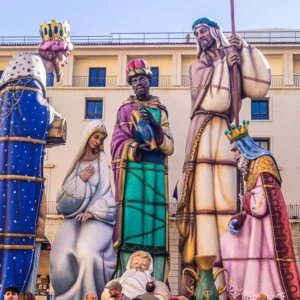
The Three Kings Parade (Cabalgata de Reyes) is one of the most significant and eagerly anticipated events of the Christmas season in Spain. It takes place annually on January 5 and symbolizes the arrival of the Magi – Melchior, Gaspar, and Balthazar – who, according to Christian tradition, bring gifts to the baby Jesus.
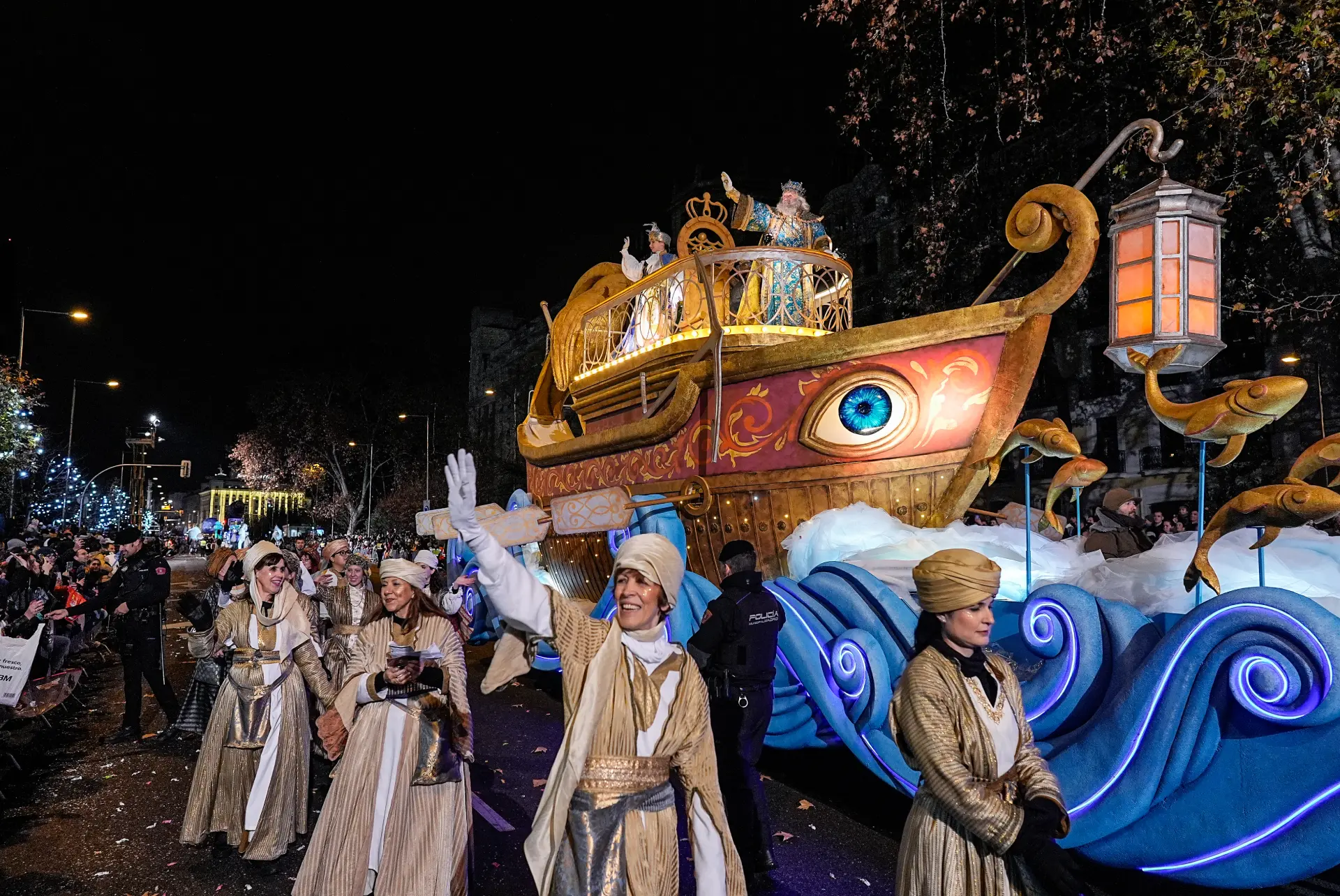
For residents and visitors of Costa Blanca, this day represents the climax of the festive period: city streets are filled with processions, music, light installations, and thousands of spectators, especially families with children.
What is the Three Kings Parade (Cabalgata de Reyes) in Spain
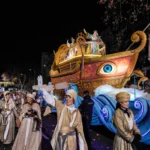
Cabalgata de Reyes is a ceremonial street procession featuring the characters of the Three Kings of the East, their entourage, theatrical floats (carrozas), musicians, and entertainers. During the parade, sweets and small gifts are thrown from the floats, making the event particularly beloved by children.
Unlike Christmas celebrations in other countries, in Spain, Three Kings’ Day is considered the main holiday for children rather than December 25.
Historical and Cultural Significance
Origin of the Tradition
The roots of the holiday lie in the Christian tradition of celebrating Epifanía (Epiphany), observed on January 6. The January 5 parade serves as a visual and public prelude to this day.
The first recorded Cabalgatas appeared in Spain at the end of the 19th century. One of the earliest official processions took place in Alcoy in 1885 – this city in the province of Alicante is considered the historical birthplace of the parade.
Why January 5
By tradition, the Three Kings arrive on the night from January 5 to 6 to leave gifts for children. The parade symbolizes their ceremonial arrival in the city, and in the evening, children leave shoes and letters with their wishes at their doorsteps.
How the Three Kings Parade Takes Place
- The ceremonial arrival of the Kings (often by sea in coastal towns);
- A procession through the main streets of the city;
- Themed floats with decorations;
- Musical and dance groups;
- Distribution of sweets to the spectators;
- Final ceremony or speech by the Kings.
The parade usually lasts from 1.5 to 3 hours, depending on the city.
The Three Kings Parade (Cabalgata de Reyes) in Spain 2026 – Locations on Costa Blanca
On the Costa Blanca, the parade is held in almost all towns and municipalities, although the format and scale may vary.
The Three Kings Parade Alicante 2026
The parade traditionally begins with the arrival of the Three Kings at the port, after which the procession moves along the main streets, including Avenida Alfonso El Sabio.
Parade Route
The parade starts from Avenida de la Estación (near the Palacio Provincial) and proceeds through the main streets of central Alicante. Key points along the route include:
- Plaza de los Luceros – one of the central and busiest squares in the city.
- Avenida de Alfonso El Sabio – the main artery of the city with a large number of spectators.
- Rambla de Méndez Núñez – a wide street perfect for viewing the floats and performers.
- Calle Rafael Altamira – a street decorated with bright thematic elements.
- Plaza del Ayuntamiento (Town Hall Square) – the final point for greetings and official closure.
The total route spans several kilometers through the city center, giving spectators the opportunity to choose a convenient spot along the streets.
Time: 17:30 – 20:00
Arrival of the Kings: Alicante Port
Route: Avenida Alfonso El Sabio and central city streets
Official website of the Ayuntamiento de Alicante
The Three Kings Parade Benidorm 2026
A family-friendly parade along the city center and seafront, convenient for tourists.
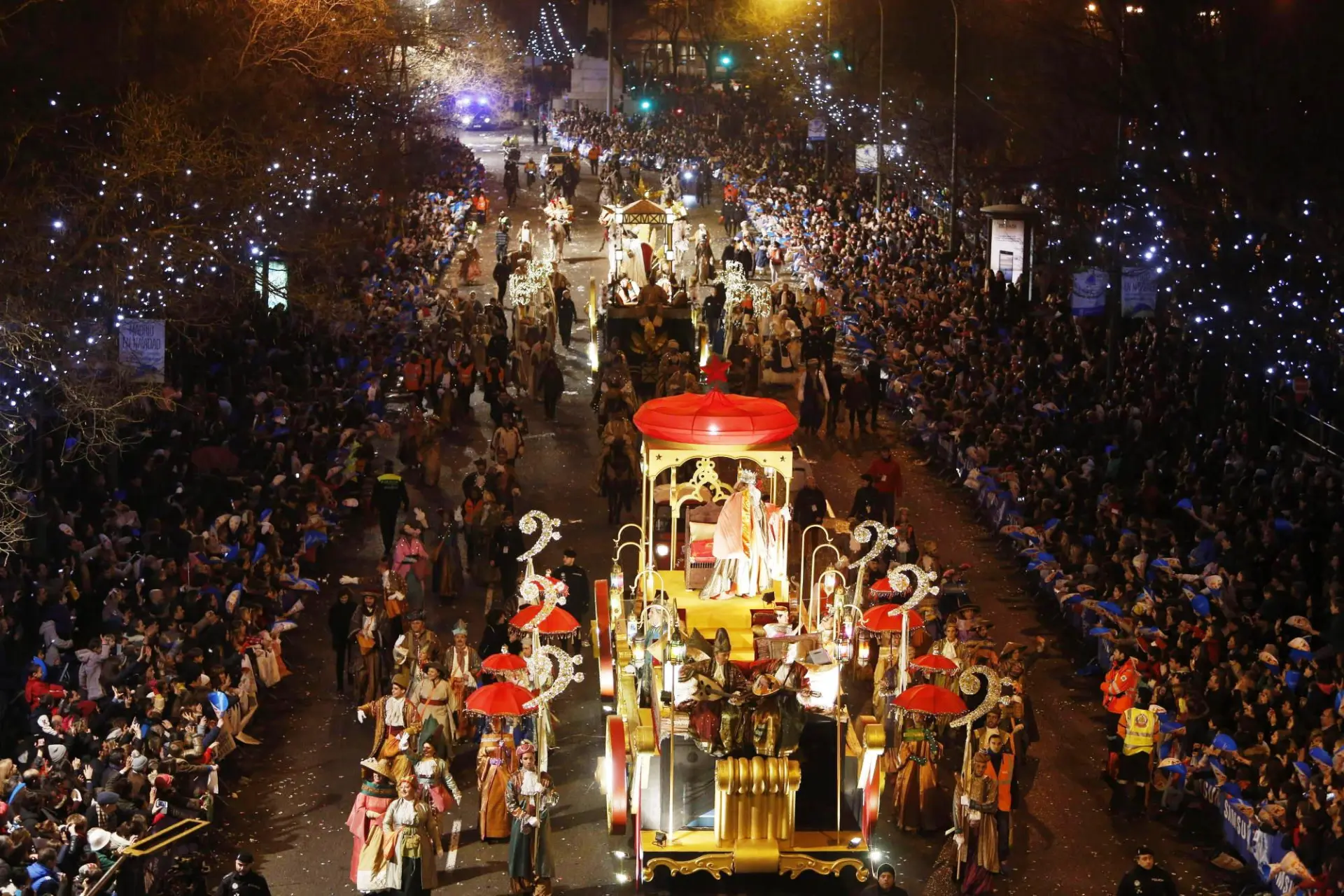
Parade Route Benidorm
The parade starts at Parque de Elche and proceeds through the central streets of the city, ending at the famous Auditorio Julio Iglesias, one of the largest venues in Benidorm.
- Start: Parque de Elche
- Avenida de Los Almendros
- Calle Marte
- Calle Venus
- Calle Ruzafa
- Calle Herrerías
- Plaza de SSMM Reyes de España
- Finish: Auditorio Julio Iglesias
Time: 18:00 – 19:30 Official website of the Ayuntamiento de Benidorm
The Three Kings Parade Alcoy 2026
A unique historical format featuring camels, torches, and 19th-century costumes.
The parade starts in the upper part of the city on El Camí street and moves through Alcoy’s historic center along several key streets:
- El Camí – the starting point of the procession.
- Sant Nicolau – the city’s central street.
- Plaça d’Espanya – the main city square, where there is a stop for the stage performance Adoración al Niño Jesús with fireworks.
- Sant Llorenç – continuation of the procession after the pause.
- Avenida del País Valencià – the final part of the route, where the procession concludes around 22:00.
Time: 18:00 – 21:00 Official website of the Ayuntamiento de Alcoy
The Three Kings Parade Denia 2026
The parade takes place along the main street and promenade with activities for children.
Parade Route
Traditionally, the parade begins at the port of Denia, where Melchior, Gaspar, and Balthazar disembark after their ceremonial arrival by sea. The procession then moves through the central streets:
- Denia Port – starting point of the parade;
- Main street Marqués de Campo – one of the most important shopping and festive arteries of the city;
- Diana Street – the procession continues with music and animation;
- La Vía Street – the final part of the route, where the parade ends and major festive events take place.
Time: 17:00 – 19:00 Official website of the Ayuntamiento de Denia
The Three Kings Parade Calpe 2026
The route passes through the historic center and promenade with carriages and distribution of sweets.
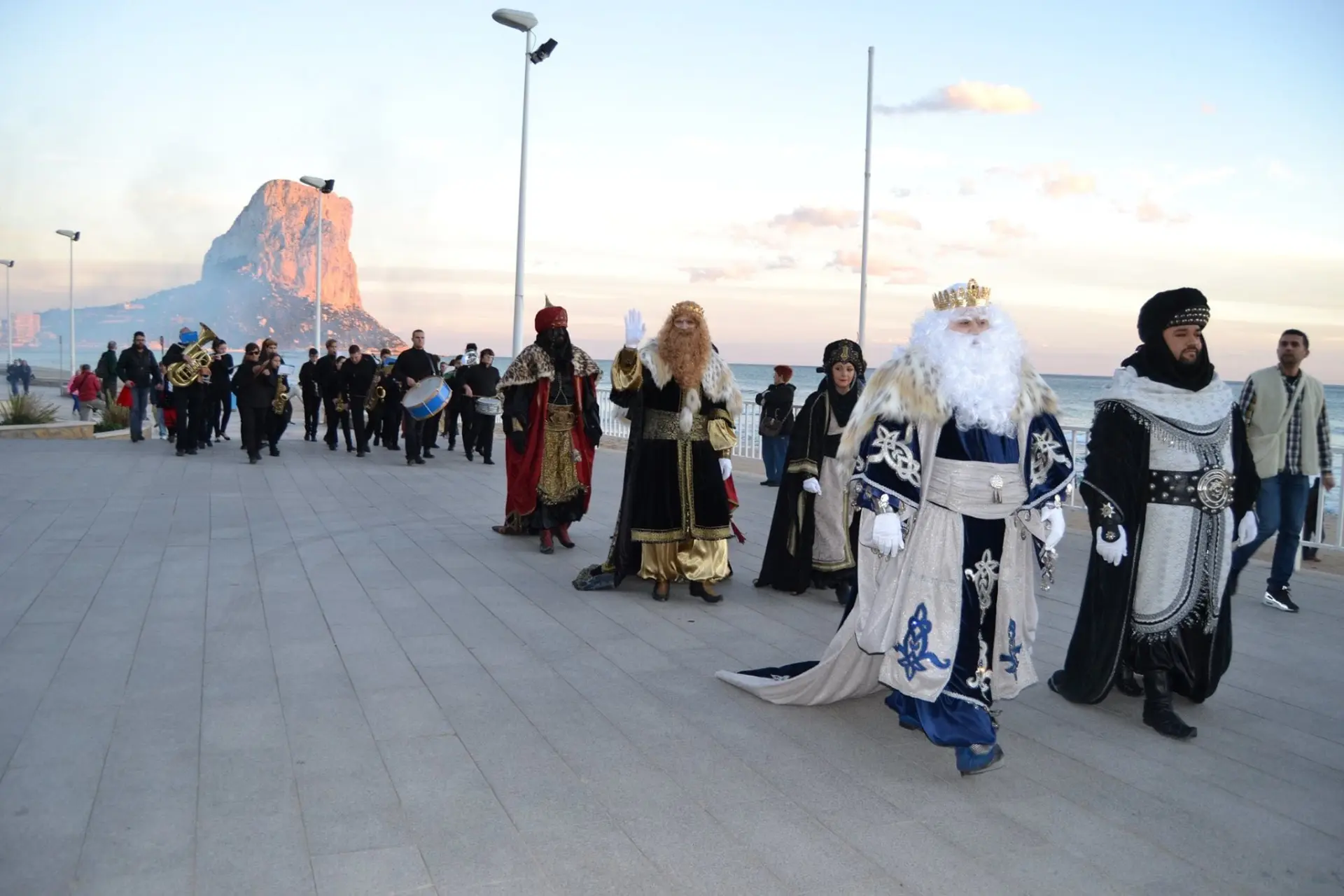
Parade Route
The parade starts at Plaza Colón and then moves through the central streets of the city to the church square Virgen de las Nieves. The approximate route is as follows:
- Plaza Colón – starting point.
- Avenida Gabriel Miró – the main street for the floats.
- Plaza Constitución – stop for music and shows.
- Avenida de Ifach – route through historic districts.
- Calle Justicia, Llibertat, and other central streets – part of the route.
- Plaza del Mosquit, Purísima, Santísimo Cristo – final section leading to the endpoint.
- Iglesia Virgen de las Nieves – parade finish and festive conclusion.
Time: 17:30 – 19:00 Official website of the Ayuntamiento de Calpe
The Three Kings Parade Villajoyosa 2026
The parade proceeds along the central streets with participation from local associations. Time: 18:00 – 19:30 Official website of the Ayuntamiento de Villajoyosa
The Three Kings Parade Torrevieja 2026
The route covers the city center and promenade with entertainment performances.
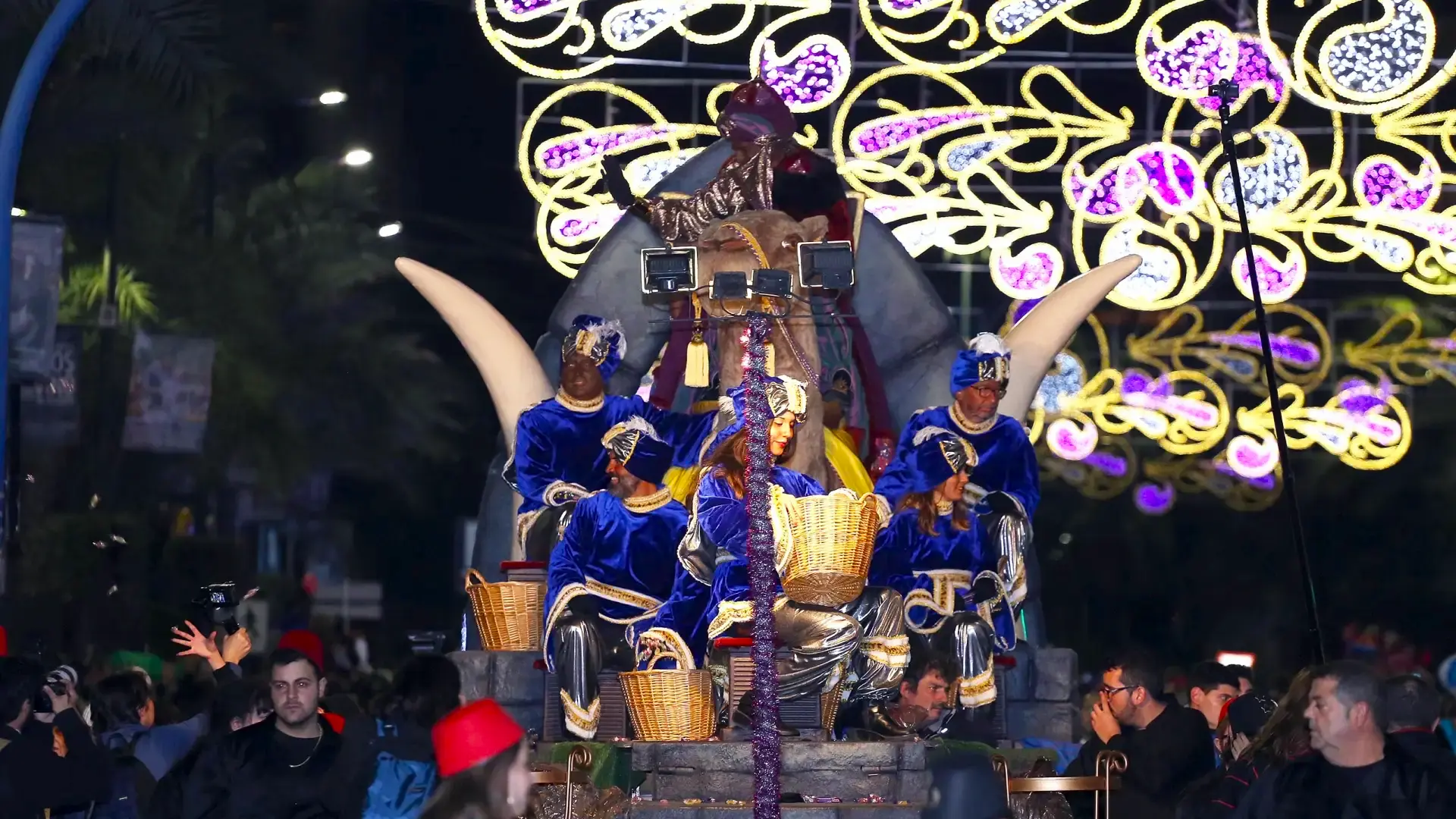
Parade Route:
The parade starts from the promenade area near the Real Club Náutico and passes through the main streets of central Torrevieja, ending near one of the main city churches.
- Paseo Vista Alegre – starting point near the casino.
- Calle Clemente Gosálvez – central street.
- Calle Ramón Gallud – along the main streets step by step.
- Calle Apolo – part of the festive route.
- Calle Caballero de Rodas – final section of the procession.
- Iglesia Arciprestal Inmaculada Concepción (near Plaza de la Constitución) – children’s ceremony and parade conclusion, featuring King Melchior.
Time: 17:30 – 19:30 Official website of the Ayuntamiento de Torrevieja
The Three Kings Parade in La Zenia (Orihuela Costa) 2026
The parade in Orihuela Costa traditionally starts in the Playa Flamenca area and moves toward La Zenia, finishing at the shopping center Zenia Boulevard.
Parade Route:
- Start: Plaza Antonio Vicea in Playa Flamenca.
- Streets: C/Pablo Picasso, C/Nicolás de Bussi, and C/Salvador Dalí – key sections of the route.
- Movement along: C/Jade and other central streets of the districts.
- Finish: at the shopping center Zenia Boulevard, where the parade concludes.
Time: 17:00 – 19:30
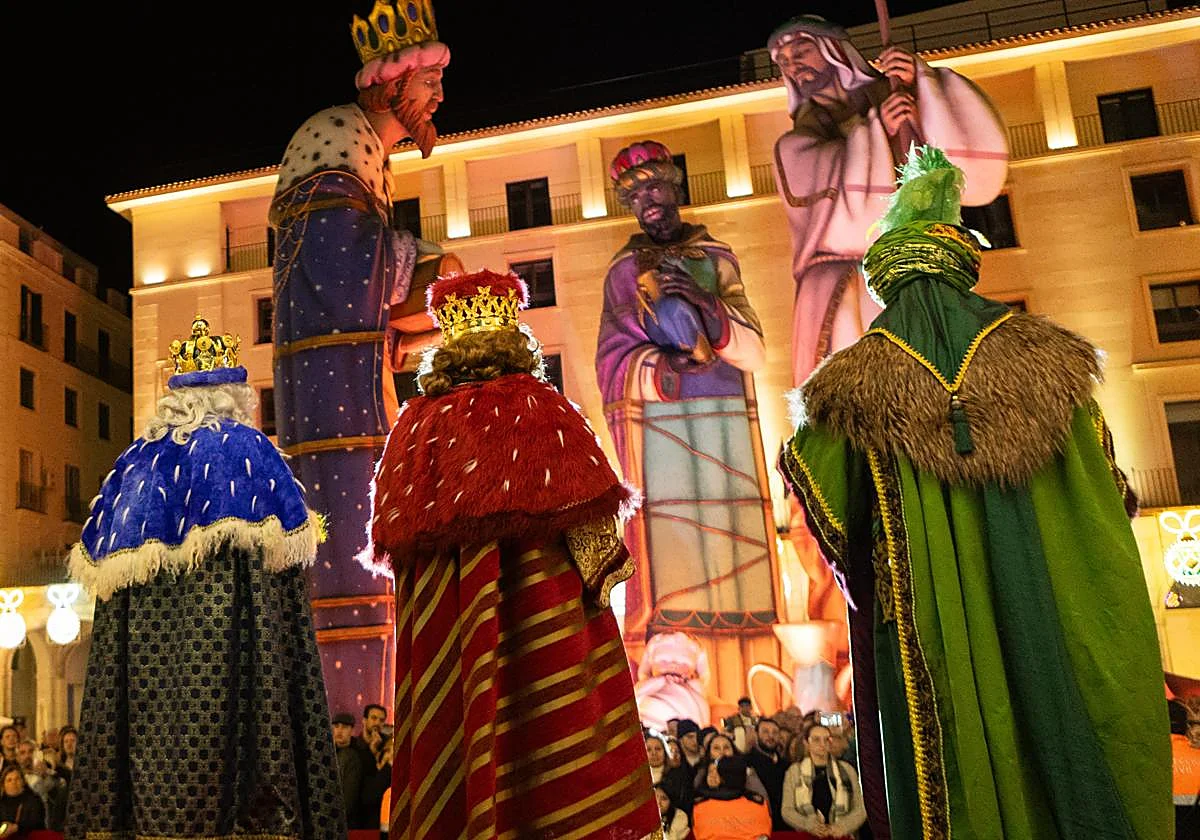
Practical Information
- Date: January 5
- Cost: free
- Age: suitable for all, especially children
It is recommended to arrive early to secure a good spot along the route.
Rules and Recommendations for Visitors
- consider large crowds;
- supervise children, especially during the distribution of sweets;
- dress warmly – evenings in January can be cool;
- check the route in advance on official municipal websites;
- follow the instructions of police and volunteers.
Significance for Tourists
Cabalgata de Reyes offers the chance to see Spain not just as a resort destination but as a living cultural environment. For tourists, it is one of the most authentic celebrations of the year, not primarily commercial.
Many hotels and restaurants on the Costa Blanca incorporate this event into their festive programs, and cities are decorated with additional illuminations.
Conclusion
The Three Kings Parade on January 5 is a key highlight of the Christmas season in Spain, especially on the Costa Blanca. This event combines history, religion, culture, and family traditions, remaining one of the most heartfelt and beloved celebrations of the year.
When planning a winter visit to the region, be sure to include the Cabalgata de Reyes in your calendar as a unique cultural experience available to everyone.
Cabalgata de Reyes: Frequently Asked Questions (Spain 2026)
1. What is the Cabalgata de Reyes in Spain?
Cabalgata de Reyes is a traditional Three Kings Parade held across Spain to celebrate the arrival of the Three Wise Men—Melchor, Gaspar, and Baltasar. It is one of the most important family events of the Christmas season and is especially popular with children.
2. When does the Cabalgata de Reyes take place in 2026?
In Spain, the Cabalgata de Reyes traditionally takes place on 5 January, the evening before Epiphany. In 2026, the parade will be held on Monday, 5 January 2026, in most cities and towns.
3. What does the Cabalgata de Reyes celebrate?
The parade commemorates the biblical story of the Three Kings visiting baby Jesus and bringing gifts. In Spanish culture, this event symbolizes generosity, magic, and the joy of giving.
4. Is the Cabalgata de Reyes more important than Santa Claus in Spain?
Yes, traditionally the Three Kings are the main gift-givers in Spain. While Santa Claus is present in modern celebrations, many Spanish families still consider Reyes Magos the most important part of Christmas.
5. What happens during the Cabalgata de Reyes parade?
The parade features colorful floats, performers, music, and the Three Kings riding through the streets. Sweets and small gifts are often thrown to the crowd, creating a festive and lively atmosphere.
6. Do all cities in Spain celebrate Cabalgata de Reyes?
Yes, the Cabalgata de Reyes is celebrated throughout Spain, from large cities like Madrid and Barcelona to small towns and villages. Each location adds its own traditions and style to the parade.
7. What time does the Cabalgata de Reyes usually start?
Most parades begin in the late afternoon or early evening, typically between 17:00 and 19:00. Exact times vary by city and should be checked locally.
8. Is the Cabalgata de Reyes free to attend?
Yes, the Cabalgata de Reyes is a public event and is generally free to attend. In some large cities, reserved seating areas may be available for a fee.
9. Is the Cabalgata de Reyes suitable for children?
Absolutely. The parade is designed especially for children and families. The colorful costumes, music, and candy make it one of the most anticipated events of the year for kids.
10. What sweets are thrown during the parade?
During the Cabalgata, participants often throw wrapped candies and sweets to the crowd. Children traditionally bring bags to collect as many treats as possible.
11. What should families bring to the Cabalgata de Reyes?
Families usually bring small bags for candies, warm clothing for the evening weather, and sometimes snacks or water, especially if attending with young children.
12. Are there differences between Cabalgata celebrations in different cities?
Yes, while the core tradition is the same, each city adds unique elements. Larger cities may have more elaborate floats and performances, while smaller towns offer a more intimate experience.
13. What happens after the Cabalgata de Reyes?
After the parade, children traditionally leave their shoes out at home for the Three Kings. During the night of 5 to 6 January, gifts are delivered.
14. What is the connection between Cabalgata de Reyes and Epiphany?
The Cabalgata takes place on the eve of Epiphany (6 January), which marks the arrival of the Three Kings. Epiphany is a public holiday in Spain.
15. Is 6 January a public holiday in Spain?
Yes, 6 January (Día de Reyes) is a national public holiday in Spain, and many businesses and offices are closed.
16. Can tourists attend the Cabalgata de Reyes?
Yes, tourists are welcome and often encouraged to attend. The Cabalgata is a cultural event that offers visitors an authentic experience of Spanish traditions.
17. What is Roscón de Reyes?
Roscón de Reyes is a traditional sweet bread eaten on 6 January. It is usually filled with cream and contains a small figurine and a bean hidden inside.
18. What does the figurine inside the Roscón mean?
The person who finds the figurine is considered lucky and is often crowned king or queen for the day, while the person who finds the bean traditionally pays for the cake.
19. Are Cabalgata de Reyes parades held even in bad weather?
In most cases, yes. However, routes or schedules may be adjusted for safety reasons depending on local conditions.
20. Why is the Cabalgata de Reyes such an important tradition in Spain?
The Cabalgata de Reyes represents tradition, family values, and shared celebration. It brings communities together and marks the emotional highlight of the Spanish Christmas season.
Tags: three kings parade costa blanca, cabalgata de reyes alicante, cabalgata de reyes benidorm, cabalgata de reyes alcoy, cabalgata de reyes denia, cabalgata de reyes calpe, cabalgata de reyes villajoyosa, cabalgata de reyes torrevieja, cabalgata de reyes orihuela costa, three kings parade 2026 costa blanca, alicante three kings parade schedule, benidorm cabalgata de reyes route, alcoy historical parade 2026, denia parade map 2026, calpe three kings event, villajoyosa parade january, torrevieja cabalgata de reyes times, la zenia three kings route, best viewing points costa blanca parade, family events costa blanca january, christmas events spain 2026, cabalgata de reyes floats photos, cabalgata de reyes sweets for children, parade tips alicante, parade tips benidorm, parade tips alcoy, parade tips denia, parade tips calpe, parade tips villajoyosa, parade tips torrevieja, cabalgata de reyes costumes spain, three kings arrival alicante, three kings arrival benidorm, three kings arrival alcoy, three kings arrival denia, three kings arrival calpe, three kings arrival villajoyosa, three kings arrival torrevieja, traditional parade costa blanca, cabalgata de reyes videos, cabalgata de reyes tickets costa blanca, parade highlights alicante, parade highlights benidorm, parade highlights alcoy, parade highlights denia, parade highlights calpe, parade highlights villajoyosa, parade highlights torrevieja, epiphany celebrations costa blanca, best family parades costa blanca, three kings history spain, three kings parade blog costa blanca
- MO
- TU
- WE
- TH
- FR
- SA
- SU
Events for 29 December
Exhibition: “Architectures of the Voice” by Dagoberto Rodríguez

Exhibition of paintings by Rosa Sánchez
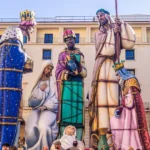
Monumental Nativity Scene

Exhibition “Antoilógica” by Olga Parra
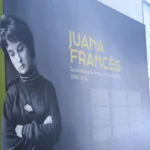
Exhibition «Juana Francés. Formation of a Modern Artist (1945–1956)»

Ice Rink in La Mata 2025–2026: dates, opening hours and location
Events for 30 December
Exhibition: “Architectures of the Voice” by Dagoberto Rodríguez
Exhibition of paintings by Rosa Sánchez
Monumental Nativity Scene
Exhibition “Antoilógica” by Olga Parra
Exhibition «Juana Francés. Formation of a Modern Artist (1945–1956)»
Ice Rink in La Mata 2025–2026: dates, opening hours and location
Events for 31 December
Exhibition: “Architectures of the Voice” by Dagoberto Rodríguez
Exhibition of paintings by Rosa Sánchez
Monumental Nativity Scene
Exhibition “Antoilógica” by Olga Parra
Exhibition «Juana Francés. Formation of a Modern Artist (1945–1956)»
Ice Rink in La Mata 2025–2026: dates, opening hours and location
Events for 1 January
Exhibition: “Architectures of the Voice” by Dagoberto Rodríguez
Exhibition of paintings by Rosa Sánchez
Monumental Nativity Scene
Exhibition “Antoilógica” by Olga Parra
Exhibition «Juana Francés. Formation of a Modern Artist (1945–1956)»
Ice Rink in La Mata 2025–2026: dates, opening hours and location
Events for 2 January
Exhibition: “Architectures of the Voice” by Dagoberto Rodríguez
Exhibition of paintings by Rosa Sánchez
Monumental Nativity Scene
Exhibition “Antoilógica” by Olga Parra
Exhibition «Juana Francés. Formation of a Modern Artist (1945–1956)»
Events for 3 January
Exhibition: “Architectures of the Voice” by Dagoberto Rodríguez
Exhibition of paintings by Rosa Sánchez
Monumental Nativity Scene
Exhibition “Antoilógica” by Olga Parra
Exhibition «Juana Francés. Formation of a Modern Artist (1945–1956)»
Events for 4 January
Exhibition: “Architectures of the Voice” by Dagoberto Rodríguez
Exhibition of paintings by Rosa Sánchez
Monumental Nativity Scene
Exhibition “Antoilógica” by Olga Parra
Exhibition «Juana Francés. Formation of a Modern Artist (1945–1956)»
Events for 5 January
Exhibition: “Architectures of the Voice” by Dagoberto Rodríguez
Exhibition of paintings by Rosa Sánchez
Monumental Nativity Scene
Exhibition “Antoilógica” by Olga Parra
Exhibition «Juana Francés. Formation of a Modern Artist (1945–1956)»
Events for 6 January
Exhibition: “Architectures of the Voice” by Dagoberto Rodríguez
Monumental Nativity Scene
Exhibition “Antoilógica” by Olga Parra
Exhibition «Juana Francés. Formation of a Modern Artist (1945–1956)»
Events for 7 January
Exhibition: “Architectures of the Voice” by Dagoberto Rodríguez
Monumental Nativity Scene
Exhibition “Antoilógica” by Olga Parra
Exhibition «Juana Francés. Formation of a Modern Artist (1945–1956)»
Events for 8 January
Exhibition: “Architectures of the Voice” by Dagoberto Rodríguez
Exhibition “Antoilógica” by Olga Parra
Exhibition «Juana Francés. Formation of a Modern Artist (1945–1956)»
Events for 9 January
Exhibition: “Architectures of the Voice” by Dagoberto Rodríguez
Exhibition “Antoilógica” by Olga Parra
Exhibition «Juana Francés. Formation of a Modern Artist (1945–1956)»
Events for 10 January
Exhibition: “Architectures of the Voice” by Dagoberto Rodríguez
Exhibition “Antoilógica” by Olga Parra
Exhibition «Juana Francés. Formation of a Modern Artist (1945–1956)»
Events for 11 January
Exhibition: “Architectures of the Voice” by Dagoberto Rodríguez
Exhibition “Antoilógica” by Olga Parra
Exhibition «Juana Francés. Formation of a Modern Artist (1945–1956)»
Events for 12 January
Exhibition: “Architectures of the Voice” by Dagoberto Rodríguez
Exhibition “Antoilógica” by Olga Parra
Exhibition «Juana Francés. Formation of a Modern Artist (1945–1956)»
Events for 13 January
Exhibition: “Architectures of the Voice” by Dagoberto Rodríguez
Exhibition “Antoilógica” by Olga Parra
Exhibition «Juana Francés. Formation of a Modern Artist (1945–1956)»
Events for 14 January
Exhibition: “Architectures of the Voice” by Dagoberto Rodríguez
Exhibition “Antoilógica” by Olga Parra
Exhibition «Juana Francés. Formation of a Modern Artist (1945–1956)»
Events for 15 January
Exhibition: “Architectures of the Voice” by Dagoberto Rodríguez
Exhibition “Antoilógica” by Olga Parra
Exhibition «Juana Francés. Formation of a Modern Artist (1945–1956)»
Events for 16 January
Exhibition: “Architectures of the Voice” by Dagoberto Rodríguez
Exhibition “Antoilógica” by Olga Parra
Exhibition «Juana Francés. Formation of a Modern Artist (1945–1956)»
Events for 17 January
Exhibition: “Architectures of the Voice” by Dagoberto Rodríguez
Exhibition “Antoilógica” by Olga Parra
Exhibition «Juana Francés. Formation of a Modern Artist (1945–1956)»
Events for 18 January
Exhibition: “Architectures of the Voice” by Dagoberto Rodríguez
Exhibition “Antoilógica” by Olga Parra
Exhibition «Juana Francés. Formation of a Modern Artist (1945–1956)»
Events for 19 January
Exhibition: “Architectures of the Voice” by Dagoberto Rodríguez
Exhibition “Antoilógica” by Olga Parra
Exhibition «Juana Francés. Formation of a Modern Artist (1945–1956)»
Events for 20 January
Exhibition: “Architectures of the Voice” by Dagoberto Rodríguez
Exhibition “Antoilógica” by Olga Parra
Exhibition «Juana Francés. Formation of a Modern Artist (1945–1956)»
Events for 21 January
Exhibition: “Architectures of the Voice” by Dagoberto Rodríguez
Exhibition “Antoilógica” by Olga Parra
Exhibition «Juana Francés. Formation of a Modern Artist (1945–1956)»
Events for 22 January
Exhibition: “Architectures of the Voice” by Dagoberto Rodríguez
Exhibition “Antoilógica” by Olga Parra
Exhibition «Juana Francés. Formation of a Modern Artist (1945–1956)»
Events for 23 January
Exhibition: “Architectures of the Voice” by Dagoberto Rodríguez
Exhibition “Antoilógica” by Olga Parra
Exhibition «Juana Francés. Formation of a Modern Artist (1945–1956)»
Events for 24 January
Exhibition: “Architectures of the Voice” by Dagoberto Rodríguez
Exhibition “Antoilógica” by Olga Parra
Exhibition «Juana Francés. Formation of a Modern Artist (1945–1956)»
Events for 25 January
Exhibition: “Architectures of the Voice” by Dagoberto Rodríguez
Exhibition “Antoilógica” by Olga Parra
Exhibition «Juana Francés. Formation of a Modern Artist (1945–1956)»
Events for 26 January
Exhibition: “Architectures of the Voice” by Dagoberto Rodríguez
Events for 27 January
Exhibition: “Architectures of the Voice” by Dagoberto Rodríguez
Events for 28 January
Exhibition: “Architectures of the Voice” by Dagoberto Rodríguez
Events for 29 January
Exhibition: “Architectures of the Voice” by Dagoberto Rodríguez
Events for 30 January
Exhibition: “Architectures of the Voice” by Dagoberto Rodríguez
Events for 31 January
Exhibition: “Architectures of the Voice” by Dagoberto Rodríguez
Events for 1 February
Exhibition: “Architectures of the Voice” by Dagoberto Rodríguez
-

Work-Friendly Cafés in Alicante: Where to Work Comfortably and Enjoy Great Coffee
-

Santa Pola: Seafood and Mediterranean Cuisine
-

Orihuela: Delicious Places for Lunch and Dinner
-

Elche: Gastronomic Routes Around the City
-

Moreira: Secret Restaurants and Bars for Tourists
-

Guadalest: Restaurants with Local Traditions
-

Villajoyosa: A Culinary Guide – Chocolate, Top Restaurants, and Costa Blanca Traditions
-

Torrevieja: A Culinary Route for Tourists
-

Xàbia: Culinary Tour of the City and Coastline
-

Monumental Nativity Scene
-

Exhibition of paintings by Rosa Sánchez
-

Exhibition “Antoilógica” by Olga Parra
Related Events