

Guide to Tapas Bars: The Best Places for Tasting
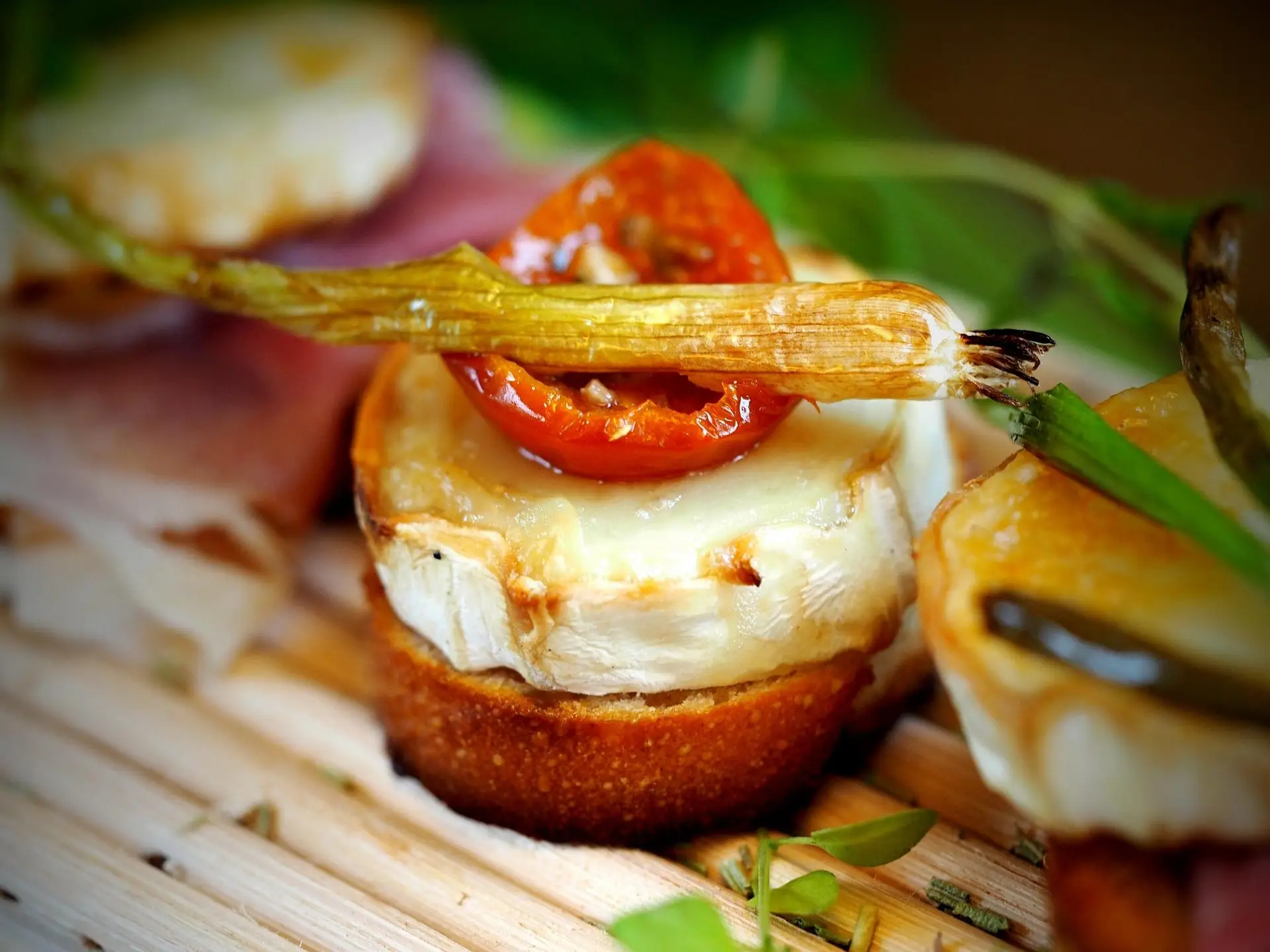
Tapas are not just a type of snack; they are a fundamental part of Spain’s gastronomic culture. Through small portions served alongside wine, beer, or vermouth, the character of the region, its products, traditions, and lifestyle come to life. Tapas bars are places for socializing, tasting, and leisurely enjoyment of the moment. It is not customary to order many dishes at once: food is served gradually, conversations flow freely, and the atmosphere changes from bar to bar.
Costa Blanca is one of the most interesting regions to experience tapas culture. Here, Valencian cuisine, Mediterranean seafood, inland traditions, and modern gastronomic trends converge. This guide gathers the best tapas bars in the region – from classic old-school establishments to modern gastro-bars, where tapas are transformed into creative mini-dishes.
What Tapas Are and Why They Matter
The word “tapas” comes from the Spanish verb “tapar” – to cover. According to one version, wine in taverns was covered with a slice of bread or ham to protect the drink from dust and insects. Over time, this simple snack became a full-fledged part of the culture. Today, tapas are an entire gastronomic language through which Spain communicates with the world.
Tapas can vary widely: from simple olives, anchovies, and croquettes to elaborate compositions with seafood, meat, sauces, and spices. The key is the compact format and the possibility to try several flavors in one visit. This is why tapas bars are ideal for getting to know the local cuisine.
Features of Tapas Culture on the Costa Blanca
Costa Blanca differs from northern regions of Spain in its lightness and focus on seafood. Here, tapas are often prepared using fresh fish, squid, shrimp, mussels, and octopus. Extra virgin olive oil, tomatoes, garlic, and citrus notes play a key role in the flavor profile.
In coastal towns such as Alicante, Dénia, and Altea, tapas bars often operate with open terraces, where tasting is accompanied by sea views, the sounds of the promenade, and soft Mediterranean light. Inland areas focus more on meat tapas, cheeses, mushrooms, and rice-based dishes.
Classic Tapas You Should Try
Before heading to the best tapas bars in the region, it’s important to know which dishes are considered essential for tasting. They appear in almost every reputable establishment and serve as a marker of culinary quality.
- Croquetas – crispy on the outside and creamy inside, with fillings of ham, chicken, cod, or mushrooms.
- Gambas al ajillo – shrimp sautéed in olive oil with garlic and chili pepper.
- Tortilla Española – a potato omelet, served in both classic and creative versions.
- Anchovies and boquerones – marinated or salted, often served with olive oil and bread.
- Pulpo a la Gallega – octopus with paprika and olive oil, popular even beyond Galicia.
How to Choose a Good Tapas Bar
A genuine tapas bar is easy to recognize by several signs. First, there is a lively atmosphere: locals drop by after work, stand at the bar, order one or two tapas, and move on. Second, the menu is small but thoughtful, emphasizing fresh, seasonal products.
A good sign is the presence of an open display of tapas at the bar, where dishes are prepared and refreshed throughout the day. Also, pay attention to the wine and vermouth selection: a quality tapas bar always offers local wines and classic Spanish vermouth.
Modern Tapas Bars: A Fresh Take on Traditions
In recent years, the tapas format has evolved significantly. Many gastro-bars have appeared on the Costa Blanca, where classic recipes are reinterpreted using modern techniques. Here, you can find tapas with tuna tartare, seafood creams, fermented vegetables, and unusual sauces.
These establishments often offer tasting sets, allowing visitors to try several creative tapas in one visit. This is an excellent option for those who want to see how traditional Spanish cuisine develops and adapts to modern gastronomic trends.
Tapas as Part of a Culinary Route
One of the best ways to experience tapas culture is to do a “tapeo”: a route through several bars in one evening. At each place, order one tapa and a drink, then move to the next bar. This format allows you to feel the rhythm of the city and taste a variety of flavors without overload.
On the Costa Blanca, tapeo is especially popular in historic city centers, where tapas bars are within walking distance of each other. This is where the true gastronomic atmosphere of the region is formed.
The Best Tapas Bars on the Costa Blanca: Trusted Places for Tasting
Below are tapas bars that not only preserve the traditions of the local cuisine but also demonstrate high-quality standards, a solid reputation, and contemporary relevance. All establishments were operational at the time of writing, have active Google Maps listings, and genuine reviews.
The Best Tapas Bars on the Costa Blanca
La Fábrica – a lively tapas bar in the center of Alicante
La Fábrica is one of those Alicante tapas bars where the “standing at the bar” format remains intact. Locals choose this place for short gastronomic stops after work and leisurely evening tapeo. The atmosphere is noisy, dynamic, and authentically local.
The menu revolves around classic tapas: a variety of croquettes, fried squid, seafood, ham, and cheeses. Dishes are served without elaborate presentation but with a focus on flavor and freshness. La Fábrica is perfect for experiencing Alicante’s everyday gastronomy.
Address: Pça. de Quijano, 03002 Alacant, Alicante, Spain
Google Maps: view on map
Tapa-Caña (D’Tablas) – classic tapas & beer format
Tapa-Caña is a typical city tapas bar focused on pairing small bites with cold beer. The establishment is popular due to its simple format: a short visit, one or two tapas, and then moving on to the next bar.
The assortment includes patatas bravas, anchovies, marinated seafood, croquettes, and meat tapas. It is a good example of a traditional bar without tourist compromises or gastronomic pretension.
Address: C. Rafael Altamira, 8-10, 03001 Alicante, Spain
Google Maps: view on map
Txoko Bar – Basque-style Tapas and Pintxos
Txoko Bar is a compact tapas bar on Loreto Street in Dénia, inspired by Basque pintxos culture. The main format is quick tasting at the bar, where visitors choose snacks visually.
The menu includes hot and cold pintxos, seafood, seasonal dishes, and classic tapas. It is one of the best places to start a culinary route through Dénia’s historic center.
Address: C/ de Loreto, 33, 03700 Dénia, Alicante, Spain
Google Maps: view on map
Tasca Els Tomassets – Traditional Spanish Tasca
Els Tomassets is a classic tasca where the tapas format remains as close to home cooking as possible. There is no rush or loud music, with a focus on consistency and simplicity.
The menu includes croquettes, calamari, fried vegetables, meat, and seafood tapas. This place is appreciated for its honest approach and absence of tourist gloss typical of central streets.
Address: C/ de Loreto, 35, 03700 Dénia, Alicante, Spain
Google Maps: view on map
La Pinchoteca – Pintxos and Compact Tapas
La Pinchoteca specializes in pintxos – small bites that are easy to combine. The format is ideal for short stops while walking through the city center.
Here, visitors can try a variety of mini seafood, meat, and vegetable snacks, as well as hot tapas. The bar is popular for its variety and accessibility.
Address: Carrer del Pont, 19, 03700 Dénia, Alicante, Spain
Google Maps: view on map
El Mosset – Local Tapas Bar Away from Tourists
El Mosset is a small bar primarily catering to locals. The format is simple, the kitchen is consistent, and the menu is regularly updated with daily specials.
It serves classic tapas, seafood, meat snacks, and seasonal dishes. A good choice for a quiet evening away from tourist crowds.
Address: C/ de Sertori, n°24, 03700 Dénia, Alicante, Spain
Google Maps: view on map
La Cova Tallà – Tapas on Dénia’s Gastronomic Street Loreto
La Cova Tallà is located on one of Dénia’s most gastronomic streets and fits naturally into the evening tapeo format. It is a convenient stop between other tapas bars.
The menu includes classic tapas, seafood, meat snacks, and seasonal dishes. The bar is suitable for both a quick visit and a longer evening.
Address: C/ de Loreto, 10, 03700 Dénia, Alicante, Spain
Google Maps: view on map
La Taberna del Gourmet – Gastronomic Benchmark
La Taberna del Gourmet is considered one of the best places to experience Spanish products in tapas format. Premium ingredients are used: Iberian ham, protected-designation cheeses, and the freshest seafood.
Tapas are served as small but flavor-packed dishes, and the service matches the level of a gastronomic restaurant. It is perfect for those wanting to see the full potential of tapas culture.
Address: C. San Fernando, 10, 03002 Alicante, Spain
Google Maps: view on map
How to Taste Tapas Properly
The main rule is not to rush and not to order too much at once. Tapas are meant for gradual tasting, changing flavors, and socializing. Start with light snacks, move to richer dishes, and finish with something warm or hearty.
Drinks play an important role: dry white wine, cava, vermouth, or light beer enhance the taste of tapas and help highlight the ingredients. This format makes tapas bars a vital part of Spain’s national cuisine.
Tapas Bars as a Reflection of Spanish Lifestyle
Tapas bars are not only a gastronomic format but also an important social institution in Spain. People meet here after work, discuss news, celebrate small events, and spend time informally. The absence of strict seating, the possibility to stand at the bar, and ordering food gradually create a sense of freedom and ease.
On the Costa Blanca, this culture is especially alive. The mild climate allows evenings outdoors most of the year, moving from one bar to another. Tapas become a link between people, the city, and the sea, creating the unique atmosphere of Mediterranean life.
Regional Characteristics of Tapas on the Costa Blanca
Although tapas are widespread across Spain, Costa Blanca is distinguished by its strong maritime character. Fresh fish and seafood caught the same day dominate the region’s tapas bars. Shrimp, squid, cuttlefish, mussels, and tuna form the basis of many snacks.
Rice also plays an important role – an indispensable product in Valencian cuisine. In tapas format, it is served as small portions of arroz seco, arroz meloso, or mini versions of traditional dishes. This allows tasting different options without ordering a full paella.
Tapas and Drinks: The Right Pairings
Spanish tapas culture is inseparable from drinks. Wine does not dominate the food but harmoniously accompanies it. White wines from the Valencia region, light red wines, cava, and vermouth are chosen according to the selected tapas.
In coastal towns, dry white wines and sparkling drinks are especially popular, emphasizing the taste of seafood. In more traditional bars, homemade vermouth served with ice and orange peel can be found – a classic accompaniment for olives, anchovies, and croquettes.
Best Time for a Tapas Tour
The best time to visit tapas bars is in the evening, starting from 7–8 p.m. At this time, the establishments fill with locals, and the tapas selection is at its most diverse. On weekends, the atmosphere is especially lively, and bars stay open longer than usual.
For a calmer tasting experience, weekdays or early evenings are recommended. This allows interaction with staff, receiving recommendations, and better viewing of the tapas display, which often showcases the day’s best dishes.
Tapas Bars and Gastronomic Tourism
For travelers, tapas bars are an ideal starting point to explore the national cuisine. Unlike classic restaurants, they do not require strict dress codes or long stays at the table. This is especially convenient for tourists wanting to combine city walks with tasting local dishes.
Many Costa Blanca tapas bars are located in historic districts, near markets, promenades, and squares. Thus, the culinary route easily becomes part of the cultural program, complementing architectural and seaside experiences.
Conclusion
The tapas bars presented in this article are current, have a stable reputation, and reflect various aspects of the national cuisine. They are suitable for both first-time experiences of tapas culture and deeper gastronomic exploration of the region.
Using this guide, readers can create their own tasting route, adapting it to personal preferences – whether seafood, meat tapas, cheeses, or creative cuisine. This flexibility makes tapas bars an essential part of Costa Blanca’s gastronomic heritage.
