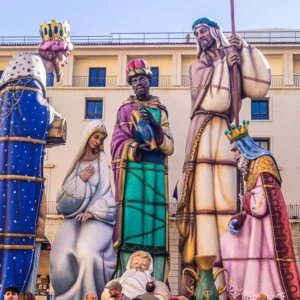

Semana Santa in Alicante 2026: dates, processions and tips for visitors
Semana Santa is one of the most impressive and atmospheric traditions in Spain. In 2026, Alicante turns into a center of religious and cultural life, with streets filled with solemn processions, live music and a unique atmosphere. If you are planning a trip to the Costa Blanca in spring, this event definitely deserves a place in your itinerary.
Semana Santa in Alicante 2026 – Key Dates
In 2026, Holy Week in Alicante will take place from March 29 to April 5. Here are the main dates and significant events:
- Palm Sunday (Domingo de Ramos) – March 29
- Holy Monday (Lunes Santo) – March 30
- Holy Tuesday (Martes Santo) – March 31
- Holy Wednesday (Miércoles Santo) – April 1
- Maundy Thursday (Jueves Santo) – April 2
- Good Friday (Viernes Santo) – April 3
- Holy Saturday (Sábado Santo) – April 4
- Easter Sunday (Domingo de Pascua) – April 5
These dates mark the key events and processions that take place throughout Semana Santa in Alicante.
What is Semana Santa in Spain?
Semana Santa is the Holy Week before Easter, dedicated to the last days of the life of Jesus Christ.
The main feature is the processions of brotherhoods (cofradías), whose members carry large floats with statues of saints, walk in traditional robes and are accompanied by marching bands.
Processions in Alicante
The city hosts numerous processions, each with its own history and atmosphere.
- religious floats (tronos)
- traditional robes and colors
- live music and drums
- night candlelit processions
How to understand Semana Santa: simple explanation of terms and structure
If it is your first Semana Santa, many things can look confusing: unusual costumes, long columns of people, statues, slow music. Below is a simple explanation of the main terms and what happens on each day.
Key terms
Cofradía
This is a religious brotherhood or organization that prepares and carries out the processions.
- each cofradía has its own history and traditions
- its own costumes and colors
- its own statue (or several) that they carry
In simple terms: this is the “team” that organizes a procession.
Pasos
These are the large floats with statues that you see during the procession.
- they represent scenes from the life of Christ or the Virgin Mary
- they are often extremely heavy (up to several tons)
- they are carried by people (costaleros)
In simple terms: this is the main “stage” of the procession.
Nazarenos
People in long robes and high pointed hoods walking in the column.
- they are participants in the procession
- they carry candles or crosses
- their outfits may look unusual, but this is an ancient tradition
Important: this has nothing to do with any negative modern associations – it is a religious symbol of penance.
Costaleros
The people who carry the pasos.
- they work as a coordinated team
- they move in sync
- they are almost invisible from outside – they are under the float
Procesión (procession)
This is the actual march through the streets of the city.
- it consists of nazarenos, musicians and pasos
- it moves slowly and solemnly
How to “read” a procession
When you watch a procession, you can now recognize the structure:
- nazarenos walk at the front
- then come the musicians
- behind them – the pasos (the main part)
Each procession is not just a march but a story told through movement, music and symbols.
Understanding these terms completely changes how you see Semana Santa. You are no longer just watching a beautiful show – you start to see the meaning, traditions and history behind every element.
Main routes
- city center
- Old Town
- seafront promenade
Semana Santa Program in Alicante 2026 by Day
Note: The exact schedule is published closer to the dates, but the structure and timing of processions are very consistent each year. Below is a guide to help plan your trip.
Semana Santa 2026 in Alicante: Meaning of Each Day, Program, Schedule, and Procession Locations
Palm Sunday (Domingo de Ramos) – March 29, 2026
Opens Holy Week and symbolizes Jesus’ triumphant entry into Jerusalem.
- Faithful bring palm and olive branches for blessing
- Processions are brighter and more joyful in mood
- Children often participate, carrying decorated branches
- Start of active street processions by brotherhoods (cofradías)
Day Meaning: Celebrates Jesus’ entry into Jerusalem, joy and festivity with families participating.
- 11:30 – “La Borriquita” procession from Plaza de la Diputación via La Rambla Méndez Núñez to Plaza del Ayuntamiento.
- 13:00-17:30 – Morning and daytime processions (Jesús en Samaría, Santa Oración en el Huerto, Santa Mujer Verónica).
- 19:00-22:00 – Evening processions through the historic center.
Best Viewing Spots: La Rambla, Ayuntamiento, Calle San Francisco, Plaza Santa Faz.
Tourist Tip: Morning processions are best for photography; evening ones have a more festive atmosphere.
Holy Monday (Lunes Santo) – March 30, 2026
The atmosphere becomes more solemn and focused.
- First major brotherhood processions
- Steps (pasos) depict scenes of Christ’s Passion
- Music becomes more restrained and dramatic
Day Meaning: Beginning of the deepening spiritual atmosphere; processions are more focused and contemplative.
- 19:30-22:00 – Brotherhood processions from San Nicolás, Santa Cruz, San Francisco.
- 22:30-00:30 – Dramatic processions through narrow streets of the old town.
Best Viewing Spots: Centro Histórico, Calle San Rafael, Plaza del Carmen.
Holy Tuesday (Martes Santo) – March 31, 2026
A deepening of the spiritual intensity of the week.
- Processions take place in different areas of the city
- Increasing number of participants and spectators
- Special focus on images of the Virgin of Sorrows (Virgen Dolorosa)
Day Meaning: Deepening spiritual significance; more participants and emphasis on Virgen Dolorosa images.
- 19:30-23:00 – Processions along Avenida de Maisonnave and the old town.
Best Time for Tourists: 20:00-21:30, when processions pass through well-lit streets.
Holy Wednesday (Miércoles Santo) – April 1, 2026
A day of increasing tension before the climax.
- Processions become longer
- The atmosphere grows more solemn and emotional
- Evening and night processions are common
Day Meaning: Rising spiritual and emotional intensity before the week’s climax.
- 20:00-23:30 – Main Hermandad Penitencial de Santa Cruz procession through Barrio de Santa Cruz (Calle San Antonio, Calle San Rafael, Plaza del Carmen).
Best Viewing Spots: Ermita de Santa Cruz, Calle San Antonio, Plaza del Carmen – perfect for atmospheric photos.
Maundy Thursday (Jueves Santo) – April 2, 2026
One of the most important days, associated with the Last Supper.
- Mass of the Lord’s Supper is held in churches
- Commemoration of the institution of the Eucharist
- Processions take place in the evening and night
- Atmosphere becomes especially solemn and intense
Day Meaning: The Last Supper, solemn evening and night processions.
- 18:30-21:00 – Santa Cena, Ecce Homo, Cristo del Mar (central streets).
- 21:00-01:00 – Night processions to the harbor and back with music and candles.
Best Viewing Spots: Avenida de Alfonso el Sabio, Rambla Méndez Núñez, Ayuntamiento, port.
Good Friday (Viernes Santo) – April 3, 2026
The climax of the week and the most solemn day.
- Commemoration of Christ’s Passion, Crucifixion, and Death
- The largest and strictest processions
- Often observed in silence – no applause or chatter
- Traditional Way of the Cross (Via Crucis)
- Minimalist or absent music, enhancing the drama
Day Meaning: The most solemn day – Crucifixion and death of Christ, silence, strict processions.
- 10:30 – Via Crucis around the old town.
- 18:00-20:30 – Procesión del Santo Entierro (largest platforms).
- 21:00-23:30 – Procesión del Silencio (complete silence along the central route).
Best Viewing Spots: Plaza del Ayuntamiento, Calle San Francisco, Avenida Maisonnave.
Holy Saturday (Sábado Santo) – April 4, 2026
A day of silence, reflection, and anticipation of the Resurrection.
- Symbolizes Christ’s time in the tomb
- Fewer or more restrained processions
- Evening Easter Vigil (Vigilia Pascual)
- Calm and contemplative atmosphere
Day Meaning: Silence, reflection, Christ in the tomb, preparation for Resurrection.
- 19:00-22:00 – Easter Vigil (Vigilia Pascual) and smaller processions around the old town and San Nicolás Cathedral square.
Best Time: 20:00-21:30 – peaceful, solemn atmosphere with candlelight.
Easter Sunday (Domingo de Resurrección) – April 5, 2026
The joyful conclusion of Semana Santa – the Resurrection of Christ.
- Atmosphere of joy, light, and renewal
- Processions are bright and festive
- Music is lively and celebratory
- In some cities, there are meetings of images (Encuentro)
- People celebrate the end of the period of mourning
Day Meaning: Resurrection of Christ, joy, festive processions, and the meeting of images.
- 10:30-12:30 – Procesión de la Resurrección with music and “¡Aleluya!” chants.
- 12:30-14:00 – Encuentro (meeting of images) at Plaza del Ayuntamiento.
Best Viewing Spots: Ayuntamiento, Rambla Méndez Núñez, Plaza de la Constitución.
Best places to watch the processions in Alicante
Below are practical recommendations to help you choose the best spot depending on what you care about most: comfort, photography or atmosphere.
Areas with the best visibility
- Avenida de Alfonso X El Sabio – wide avenue, good visibility even from the second row
- Plaza de los Luceros – open space, great panoramic view
- Rambla de Méndez Núñez – one of the main arteries of the processions
Where you can sit down and rest
- Plaza de Calvo Sotelo – benches and slightly fewer crowds
- Explanada de España – you can combine a walk with watching the processions
Where there is shade
- narrow streets of the Old Town (El Barrio)
- sections near taller buildings in the center
Important: daytime sun can be quite strong at the end of March – keep that in mind when choosing a spot.
Where to shelter from the wind
- El Barrio – narrow streets protect from the wind
- streets between buildings in the center
Best photo locations
- narrow streets of El Barrio – dramatic light and close‑up shots of participants
- Rambla de Méndez Núñez – dynamic shots with bands and movement
- Plaza de los Luceros – wide compositions and full view of the floats
Practical tips
- arrive at least 1-2 hours before the main processions
- the best spots are taken early – sometimes in the morning
- night processions offer the most atmospheric photos
- avoid the narrowest streets if you dislike very dense crowds
Pro tip: for comfort plus good views, choose the beginning or end of the route – these areas tend to be less crowded than the very center.
How to combine Semana Santa with a holiday: beach, walks, food and processions
Semana Santa in Alicante is not only about processions; it is also a great opportunity to combine a major cultural event with a classic Costa Blanca holiday. Thanks to mild weather in late March and early April, you can easily mix beach time, city walks, gastronomy and evening processions in one rich itinerary.
Perfect 1‑day plan
Morning:
- Walk along the Explanada de España promenade
- Coffee and breakfast in the city center
- Walk or take the lift up to Santa Bárbara Castle (best views over the city)
Daytime:
- Relax at Postiguet Beach
- Light lunch (tapas, seafood)
Evening:
- Dinner in a restaurant in the Old Town
- Watching an evening or night procession
Why this works: there are almost no major processions in the middle of the day, so you can relax, and then dive into the Semana Santa atmosphere in the evening.
2-3 day itinerary
Day 1 – Getting to know the city
- Alicante city center and El Barrio
- Santa Bárbara Castle
- Dinner + your first procession (better choose a less crowded one)
Day 2 – Beach and gastronomy
- Morning at Postiguet or San Juan Beach
- Lunch with seafood or paella
- Relax / walk
- Evening – major processions (Maundy Thursday or Good Friday)
Day 3 – Atmosphere and details
- Slow walk through the city
- Coffee and desserts in local cafés
- Watching processions from quieter, less touristy streets
Food during Semana Santa
This is a great time to try traditional dishes:
- tapas and seafood
- paella alicantina
- traditional Easter desserts (for example, torrijas)
Tip: book restaurants in advance, especially on the main procession days.
Practical hacks
- plan active sightseeing for mornings and daytime
- reserve evenings for processions
- alternate busy central areas with quieter neighborhoods
- use daytime for the beach – evenings will be crowded
Main secret: do not try to see every single procession – choose 1-2 key ones and enjoy your holiday without burnout.
What happens to transport and roads during Semana Santa
During Semana Santa, central Alicante almost turns into a pedestrian zone. This is crucial to keep in mind, especially if you are driving. The main restrictions start on Palm Sunday and become more intense by Maundy Thursday and Good Friday.
Where and when roads are closed
Closures mainly affect the city center and procession routes:
- Rambla de Méndez Núñez
- Avenida de Alfonso X El Sabio
- El Barrio (Old Town)
- streets around Plaza del Ayuntamiento
How it works:
- streets are closed 1-2 hours before the procession starts
- traffic is fully stopped while the procession passes
- roads do not reopen immediately after the floats pass
Key point: the main restrictions are in the evening (roughly from 18:00 until midnight and later).
Buses
Buses continue running, but:
- routes change daily depending on the processions
- some central stops are temporarily out of service
- temporary terminal stops may be introduced
Lines passing through the city center are affected the most.
Practical tips:
- during the day buses run almost normally
- in the evening, expect serious deviations and delays
- rely on what you see on site rather than on static maps
TRAM (light rail)
TRAM is the most reliable transport during Semana Santa.
- frequency is often increased
- night services are added on key procession days
Lines through Luceros station may run longer to handle the crowds.
Important: the central hub (Luceros) can be very busy, but overall TRAM is the best way to get from residential areas and beaches to the center.
Taxis
- taxis are available but may not be able to enter the very center
- they often drop passengers 2-3 blocks away from the processions
- waiting times increase during peak hours
Tip: call a taxi to the edge of the closure zone rather than to the heart of the center.
Where you can realistically park
Parking is the trickiest part of Semana Santa.
Almost impossible:
- entire city center
- El Barrio district
- streets along the main procession routes
In many places parking is temporarily forbidden because of the processions.
Workable options:
- around Mercado and streets slightly away from the center
- San Blas district
- Benalúa
- Playa de San Juan (then take TRAM)
Best approach:
- leave your car outside the center and switch to TRAM or bus
Movement strategy
- Daytime: you can move around the city relatively freely
- After 18:00: avoid the center by car
- Best scenario: walk + TRAM
Main advice: do not plan tight timings – during Semana Santa everything moves slowly and atmospherically.
During Semana Santa, Alicante becomes a city for walking, not for driving. If you accept this in advance and adjust your route, you will avoid stress and enjoy the celebration much more.
Etiquette and behavior: how not to look like a clueless tourist
Semana Santa is not just a spectacular event but an important religious tradition. In Alicante the atmosphere is slightly more relaxed than, for example, in Seville, but basic rules of respect still matter – especially for foreign visitors.
Dress code: what to wear
There is no strict dress code for spectators, but there are unwritten rules:
- Smart casual is the best choice
- avoid beachwear (swimwear, beach shorts, tank tops)
- wear comfortable closed shoes (you will stand a lot)
- bring a light jacket or scarf for the evening (it can be chilly)
For evening processions: locals often dress more elegantly – it is part of the atmosphere.
Behavior during processions
The main rules are respect and restraint.
- do not shout or talk loudly while the procession is passing
- during music and especially drum pauses, keep silence
- applause is acceptable but should be moderate
Important: this is not a carnival – the atmosphere can be very emotional and even mournful.
Taking photos and videos
- photography is allowed
- avoid using flash – it is considered disrespectful
- do not block other people’s view for the sake of your shot
- do not step onto the route of the procession
Best approach: shoot calmly and without fuss – you will get better photos and keep the atmosphere.
Children
Coming with children is normal and common in Spain.
- prefer daytime or early evening processions
- keep in mind the duration (sometimes 2-3 hours)
- crowds and noise can be tiring
Tip: choose more spacious locations rather than narrow Old Town streets.
Pets
- there is no strict ban
- but dense crowds are not ideal for animals
- loud drums can stress pets
Conclusion: it is better not to bring pets to night processions.
What you definitely should not do
- walk through the procession or between participants
- joke loudly or behave noisily during silent moments
- sit on the ground on the route itself
- try to grab a front‑row spot at the last second by pushing others
Practical tip
If you are unsure how to behave, simply watch the locals. They set the tone very clearly: when it is fine to talk, when to keep silent, and when applause is appropriate.
Semana Santa is a mix of culture, religion and tradition. A bit of respect, calmness and attention to details will not only help you “blend in”, but also give you a much deeper and more authentic experience.
How to prepare for Semana Santa with children and older adults
Semana Santa in Alicante is beautiful but can be physically demanding. Long processions, large crowds and limited infrastructure can be challenging if you travel with children or elderly relatives. Below are real‑life tips to help you avoid stress and stay comfortable.
Toilets (WC): where to find them
One of the main challenges is the lack of public toilets directly along the procession routes.
- there are almost no fixed public WCs along the routes
- the main option is cafés, bars and restaurants
- large shopping centers or big stores if nearby
In practice:
- mark nearby cafés on a map in advance
- go before the procession starts
- be prepared to order something if you use a café toilet
Pro tip: areas around Rambla or Luceros have more venues.
Where you can sit
Most of the time you will be standing, but there are options:
- Plaza de los Luceros – open area, sometimes more space to rest
- Explanada de España – benches and a more relaxed atmosphere
- Plaza de Calvo Sotelo – slightly fewer crowds
Alternatives:
- folding chairs (locals often bring their own)
- outdoor café terraces (most comfortable, but should be booked)
How long is the wait?
- people start taking spots 1-2 hours before the start
- on peak days (Good Friday) even earlier
Important: with children or older adults it is better to arrive either much earlier, or closer to the start in less popular areas.
How long does a procession last?
- a procession can last 1.5-3 hours in total
- but it passes a specific point in 20-40 minutes
What this means: you do not need to stand the whole time – you can come a bit before the main moment and leave afterwards.
Moving with the procession
This is often underestimated:
- moving alongside a procession is difficult because of the crowds
- crossing the route is often impossible
- streets can remain closed for a long time
Strategy:
- choose one viewing point and stay there
- or plan your exit route in advance
Tips for families with children
- choose daytime or early evening processions
- avoid the narrowest Old Town streets
- bring water, snacks and something to entertain them
- remember that children may quickly get bored of waiting
Tips for older adults
- choose locations where it is possible to sit down
- avoid long periods of standing (cafés and terraces are ideal)
- arrive early to get a convenient spot
- prepare for cooler evening temperatures
Main takeaway
Do not try to “squeeze the maximum out of it”. It is better to choose 1-2 comfortable processions and watch them calmly than to overload yourself and your family.
Semana Santa can be very enjoyable even with children and older adults if you choose the right place, time and do not try to see everything at once. A bit of planning will give you a beautiful, calm and memorable experience.
Safety, pickpockets and crowds during Semana Santa
Semana Santa in Alicante is generally safe, but big crowds mean you should follow basic safety rules, especially in the city center and during evening processions.
Pickpockets: where to be extra careful
As at any major event, pickpockets operate in crowds:
- in tight spots (narrow streets, especially in El Barrio)
- during stops in the processions
- on the approaches to main squares
What to do:
- keep your bag in front of you, not behind
- do not keep your phone in a back pocket
- use bags with zips
- leave original documents in your hotel (carry a copy)
Important: thefts are usually discreet, without aggression.
Behavior in crowds
- do not try to push through very dense crowds
- avoid sudden movements or panic
- hold children by the hand
- agree on a meeting point in advance in case you get separated
In practice: it is better to stand slightly further back but comfortably than in the absolute center of the crowd.
Noise and night processions
One underrated factor is the noise level:
- drums can be very loud
- sound is amplified in narrow streets
- processions can last until late at night (sometimes 1-2 a.m.)
When to leave with children
- ideally before 21:00-22:00
- the loudest and most emotional moments often come later
- crowds get denser late at night
Best option: attend one daytime or early evening procession and leave before the very peak.
Extra tips for families
- bring earplugs or headphones for children
- watch their energy levels – waiting can be tiring
- always have water and light snacks
Overall safety
- Alicante is a generally safe city with low crime levels
- police are present at all major processions
- in an emergency you can talk to officers or stewards on site
The main risks of Semana Santa are not danger, but crowds, noise and fatigue. If you keep an eye on your belongings, choose good viewing spots and do not stay too late with children, you will have a comfortable and safe experience.
Weather and clothing: what to expect in Alicante in late March – early April
Semana Santa falls in the shoulder season, when Alicante already feels like spring but the weather is still changeable. Daytime can be warm and sunny, while evenings are cool and windy. The right clothing will directly affect how comfortable you feel.
Temperature and general conditions
- daytime: +18…+24°C (pleasantly warm, sometimes almost summer‑like)
- evening: +10…+15°C (noticeably cooler)
- night: can feel colder, especially by the sea
Important: the difference between day and evening can reach 8-10 degrees.
Main mistake visitors make
They dress based on daytime weather.
Many go out in light clothes and then get cold while standing still for hours in the evening processions.
What to wear during the day
- light clothing (T‑shirt, shirt, dress)
- sunglasses
- comfortable shoes
Daytime is perfect for walking, terrace cafés and even sunbathing.
What you definitely need in the evening
- a jacket, trench or light coat
- a scarf or shawl (really useful)
- closed shoes
Why this matters: you are standing still rather than walking – you will feel the cold more.
Footwear: the underrated factor
- central streets are stone‑paved and uneven
- you will stand for long periods
- surfaces may be damp or slippery
Best choice: trainers or comfortable closed shoes.
Avoid: high heels, loose sandals, slippery soles.
Wind and humidity
- evenings can be windy, especially near the sea
- in narrow streets the chill feels stronger
Even at +14°C it can feel significantly cooler.
Rain: how likely is it?
Spring showers are possible, though usually short‑lived.
- some processions may be delayed or cancelled if it rains
- stone streets become slippery
What to bring:
- a compact umbrella or light raincoat
How to dress smart (simple formula)
Day: light and comfortable.
Evening: add 1-2 extra layers.
Layering is ideal so you can adapt to changing conditions.
The weather during Semana Santa in Alicante is pleasant but deceptive. If you prepare for cool evenings, wind and long periods of standing, your experience will be much more comfortable.
Why Semana Santa is fascinating even if you are not religious
Even if you are not religious, Semana Santa in Alicante is all about atmosphere, tradition and a powerful emotional experience unlike anything else in Europe.
Not just a church event, but a cultural show with depth
On the surface, Semana Santa looks like a massive street performance:
- huge moving sculptures
- live orchestral music
- candlelight and night processions
But unlike staged shows, everything here is real – the traditions are centuries old, and people take part not for the tourists but because it is part of their lives.
A way to feel Spain rather than just see it
Regular tourism is about sights. Semana Santa is when you see real life:
- locals come out with their families
- participants prepare all year long
- nothing is done just as a tourist attraction
It is a rare chance to see Spain from the inside.
It is about emotion as much as religion
Even if you do not know the symbolism, you still feel:
- the tension in moments of silence
- the power of the music
- the emotions of people around you
It is a universal experience that works without translation or explanations.
A contrast to the usual beach holiday
During the day you have sun, sea and the relaxed Costa Blanca lifestyle.
In the evening you step into a dramatic, almost mystical atmosphere of the processions.
This contrast makes the trip especially memorable.
Not a tourist “attraction”
Unlike many popular events:
- Semana Santa was not created for tourists
- it exists independently of them
- you feel as if you have stepped inside another culture
That is why it feels so much stronger and more authentic.
Semana Santa in Alicante is about religion, atmosphere, visual beauty and emotion. Even if it is your first time in Spain and you know nothing about the traditions, it gives you much more than standard sightseeing – it gives you the feeling of being in the right place at a very special moment.
What to See in Alicante
Alicante is a city rich in history, with sunny beaches and charming streets in the old town. You should visit the majestic Santa Bárbara Castle with panoramic views of the sea, stroll along the famous mosaic-lined Explanada de España, and enjoy the atmosphere of the old town with its cozy squares, cafes, and bars. The city perfectly combines culture, leisure, and beautiful landscapes, making it an excellent travel destination.
- Santa Bárbara Castle – located atop Mount Benacantil, this castle is one of Alicante’s main attractions.
Tip: It’s best to visit in the morning or an hour before sunset — the view of the city and the Mediterranean Sea is breathtaking. Wear comfortable shoes, as the climb to the tower can be a bit tiring.
Fun fact: The castle walls still bear traces of Roman and Moorish fortifications. - Explanada de España – a vibrant promenade paved with over 6 million tiles forming a wave-like mosaic pattern.
Tip: Take an evening walk when the lights create a romantic atmosphere, and stop by local cafes for fresh paella or tapas.
Fun fact: It is one of the most photographed places in the city, often visited by street musicians and artists. - Beaches and the Old Town (El Barrio) – Alicante’s beaches, like Playa de San Juan and Playa del Postiguet, are perfect for swimming and water sports. The old town charms with narrow streets, colorful facades, and atmospheric squares.
Tip: Walk through the old town in the evening when small bars and restaurants open with live music — ideal for experiencing the city’s authentic atmosphere.
Fun fact: Many 17th–18th century houses remain, along with the Santa María Church, built on the site of a former mosque.
Useful Tips
- Best time for photos – sunset and night
- Avoid narrow streets during peak hours
- Book restaurants in advance
Who organizes Semana Santa in Alicante
Semana Santa in Alicante is not a commercial event or a “show for tourists”. Behind it stands a complex system of traditional religious and civic structures working together.
Main coordinator
The central coordinating body is the Junta Mayor de Hermandades y Cofradías de Semana Santa de Alicante.
This is a non‑profit organization that brings together all the city’s brotherhoods and oversees the overall coordination of Semana Santa: schedules, routes, rules and cooperation with city services.
- coordinates all processions
- approves routes and timing
- works with police and city hall
- handles the official program and communication
The organization in its modern form dates back to the 1940s and has official legal status.
Who actually creates the processions
Each individual procession is created by a specific brotherhood – a cofradía or hermandad.
There are around 27 of them in Alicante, and they are responsible for everything you see in the streets:
- creating and maintaining the pasos (floats with statues)
- the participants (nazarenos, costaleros)
- bands and music
- preparing the route and taking part in the processions
In essence, they are local communities that prepare for Semana Santa all year long.
The role of the city
The Ayuntamiento de Alicante (city hall) does not organize the processions directly, but plays an important role:
- closing streets and ensuring safety
- installing stands and infrastructure
- financial support for brotherhoods
- transport and city services logistics
For example, the city provides annual subsidies to support the brotherhoods and the organization of events.
Why this matters
Semana Santa in Alicante is not a centralized show but the result of the work of dozens of independent brotherhoods united by a shared tradition.
That is why:
- each procession looks different
- routes and style can vary
- the atmosphere feels authentic rather than “staged” for visitors
In simple terms: the event is made by the people of the city for themselves – and that is exactly why it leaves such a strong impression.
Extra FAQ about Semana Santa in Alicante 2026
1. Are processions cancelled if it rains?
Yes, in case of heavy rain processions can be cancelled or postponed. This is because the pasos (floats with statues) are very valuable and can be damaged by moisture.
2. Can you reserve a spot by leaving your things?
No, this is not customary. People take spots by physically being there. Unattended items may be removed.
3. Are there paid or VIP seats?
Yes, in some central areas stands with paid seats are installed, but there are not many of them and they are not necessary – most people watch for free from the street.
4. How long does a procession last?
From 1.5 to 4 hours depending on the route. The procession itself may pass your viewing point for 30-90 minutes.
5. Can you leave and come back to the same spot?
It is difficult. In dense crowds your place will quickly be taken. It is better to plan ahead and stay if you want to keep your spot.
6. Are there toilets near the routes?
There are few public toilets. It is better to use cafés or restaurants in advance. In the center, queues can be long.
7. Are restaurants and cafés open?
Yes, but in the center they are very busy, especially in the evening. It is better to book or eat earlier than usual.
8. Can you drink alcohol on the street?
Officially no (city regulations apply). During Semana Santa, enforcement can be stricter, especially in the center.
9. How loud are the processions?
Drums and bands can be very loud, especially in the evenings and at night. For children and sensitive people this can be tiring.
10. Is there a risk of pickpockets?
Yes, as at any large event. Especially in dense crowds at night. Keep bags closed and avoid carrying valuables in easily accessible pockets.
11. Can tourists join the procession?
No, participation is reserved for members of the brotherhoods (cofradías). Tourists are spectators.
12. Is there a dress code for spectators?
There is no strict dress code, but it is recommended to avoid very beachy or provocative clothing, especially in the evening.
Conclusion
Semana Santa in Alicante is a unique mix of tradition, culture and emotion. It allows you to feel the real atmosphere of Spain and see one of the country’s most striking traditions.
If you are looking for an unforgettable spring experience, a trip to the Costa Blanca at this time of year is a fantastic choice.
Tags: semana santa alicante 2026, semana santa in alicante 2026 dates, alicante easter 2026 spain, semana santa alicante schedule 2026, alicante holy week processions 2026, when is semana santa alicante 2026, alicante easter events 2026, semana santa alicante route map, best places to watch semana santa alicante, alicante semana santa tips for tourists, easter in alicante what to do 2026, alicante spain easter holidays 2026, semana santa alicante procession times, alicante holy week guide 2026, semana santa alicante itinerary, alicante easter travel guide, where to stay alicante semana santa, alicante easter weekend events 2026, semana santa alicante traditions explained, alicante holy week history, what is semana santa alicante, alicante easter processions schedule, best viewing spots semana santa alicante, alicante easter weather march april, alicante semana santa dress code, alicante easter with kids, alicante holy week photography spots, semana santa alicante night processions, alicante easter street closures, transport alicante semana santa 2026, alicante easter restaurants open, alicante semana santa crowds tips, safety tips semana santa alicante, alicante easter parade routes, semana santa alicante old town processions, alicante easter cultural events, alicante semana santa free events, alicante easter festival spain, semana santa alicante 2026 travel tips, alicante easter accommodation tips, alicante holy week traditions spain, alicante semana santa music bands, alicante easter religious events, semana santa alicante best days to visit, alicante easter itinerary 2 days, alicante semana santa highlights 2026, alicante easter family friendly activities, alicante semana santa photo guide, alicante easter spain travel blog, alicante semana santa complete guide
-

Color Palettes of the Costa Blanca: Coral and Turquoise in the Wardrobe
-

Spain Digital Nomad Visa 2026: Requirements, Costs & Application Guide
-

Saint Anthony’s Day on the Costa Blanca 2026 – Animal Blessings & Traditions
-

Costa Blanca Wine Bars: Where to Taste Local Wines
-

Tapas Bar Guide: The Best Places for Tasting
-

Restaurants with Sea Views: Where to Eat Well and Enjoy Beautiful Scenery